Can You Buy Travel Insurance Just for a Flight? Find Out
Can I buy travel insurance just for a flight? If you’ve ever booked a non-refundable basic economy ticket only to have your plans fall through, that’s the first question that pops into your head. Most travelers assume you need to buy full-trip coverage to get any protection, but that’s not always true.
Flight-only policies exist to cover exactly that single air segment.
Per National Association of Insurance Commissioners data as of 2026, standalone flight insurance typically costs 3% to 10% of your total ticket price. The catch is, it’s only worth it if your specific situation leaves you on the hook for the full cost of a missed flight. Let’s break down when that coverage makes sense, and when you’re better off skipping it.
Image source: Bing (Web (fair-use with source credit))
Quick Answer: Yes, You Can Buy Flight-Only Travel Insurance, But It’s Not Right For Everyone
Yes, you can buy travel insurance for just your flight, no full-trip policy required. Standalone flight policies reimburse non-refundable ticket costs for covered trip cancellations or interruptions. Common covered perils include sudden illness, severe weather, and airline operational cancellations.
They do not cover voluntary travel plan changes. Most policies require purchase within 14 to 21 days of booking. This qualifies you for full benefits, including pre-existing condition waivers as of 2026, per National Association of Insurance Commissioners consumer guidelines.
What Flight-Only Travel Insurance Actually Covers (And What It Excludes)
Flight-only travel insurance is a standalone policy that covers only the financial loss of your airfare, not lodging, activities, or other trip expenses. It’s designed for travelers who only need protection for their flight segment, rather than a full trip.
Covered perils typically include:
- Sudden, unexpected illness or injury to you or a travel companion
- Severe weather events that cancel or delay your flight
- Airline operational cancellations, including bankruptcies
- Involuntary job loss or jury duty that prevents travel
- Missed flight connections due to a covered delay on a prior flight
The biggest exclusions to watch for are voluntary changes to your travel plans. If you cancel your trip because you don’t feel like going, or you change your flight date for non-emergency reasons, you won’t get a payout. Most policies also exclude known events that were announced before you bought coverage, like a hurricane forecasted days before your booking.
If you’re traveling with kids and need coverage for more than just your flight, you’ll want to review preventing common kid travel mishaps to make sure you’re protected for all parts of your trip.
First Decision Check: Do You Already Have Free or Existing Flight Coverage?
Before you spend a dime on a flight-only policy, check if you already have free coverage you don’t know about. Many premium credit cards include automatic trip cancellation and interruption insurance for flights booked with the card. You’ll need to review your cardmember agreement to confirm coverage limits, covered perils, and exclusions.
Some policies only cover flights over a certain dollar amount, or exclude basic economy tickets.

Image source: Bing (Web (fair-use with source credit))
If you do have credit card coverage, confirm it matches your needs. For example, some cards only reimburse up to $500 per ticket for cancellations, which won’t cover a $1,200 international flight. If your existing coverage is insufficient, or you have no coverage at all, move to the next decision check.
If your credit card doesn’t offer sufficient coverage, and you’re booking a trip with kids, you may also want to review keeping kids safe on the go to account for other potential trip disruptions.
Key Condition 1: Your Airline Ticket Type (Refundable, Basic Economy, Non-Refundable)
Your ticket type is the single biggest factor in deciding if flight-only insurance is worth it. Refundable tickets already let you cancel for a full refund, so you almost never need extra coverage for these. Basic economy tickets are the riskiest: most airlines prohibit cancellations for any reason, and you lose 100% of the ticket cost if you can’t fly.
Non-refundable standard tickets fall in the middle. You usually get a flight credit if you cancel, but you’ll lose the full cash value if you can’t use the credit within the airline’s expiration window, which is often 6 to 12 months.
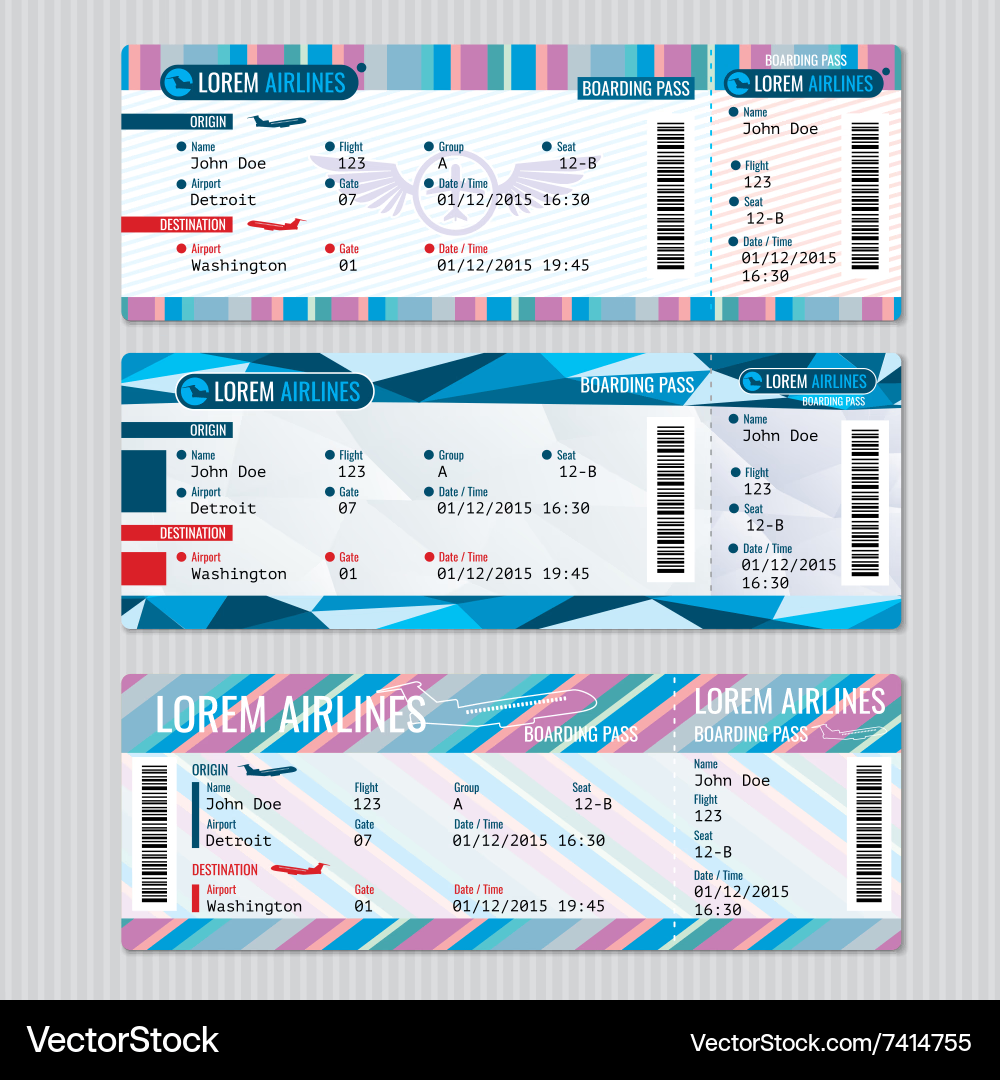
Image source: Bing (Web (fair-use with source credit))
If you hold a non-refundable or basic economy ticket, flight-only insurance can protect you from total loss of your airfare. If you have a refundable ticket, you already have that protection built into the ticket price. If you’re holding a basic economy ticket for a family trip, you might also want to check family travel packing essentials to minimize other costs if your flight gets canceled.
Key Condition 2: How Many Days Before Your Flight You’re Buying Coverage
Timing matters a lot for flight-only insurance. Almost all policies require you to purchase coverage within 14 to 21 days of booking your flight to qualify for full benefits. If you buy after that window, you may lose access to the pre-existing condition waiver, which lets you cancel for medical reasons related to a condition you had before buying the policy.
Buying last-minute, right before your flight, also limits your coverage. Some insurers won’t cover events that were already known or forecasted at the time of purchase, like a storm that’s already in the weather report. If you’re booking a flight less than 14 days before departure, read the policy fine print carefully to confirm what’s covered.
If you’re booking a last-minute flight for a holiday trip, you may also want to look at last-minute accommodation savings to save on other trip costs if your flight falls through.
Key Condition 3: Your Flight’s Risk Profile and Personal Tolerance for Financial Loss
Your flight’s specific risk factors, plus your own financial cushion, are the final variable in deciding if flight-only insurance makes sense. A last-minute international flight booked 3 days before departure carries far higher risk of cancellation than a domestic flight booked 6 months out with a flexible ticket. If losing the full cost of your ticket would strain your budget, that’s a clear sign you need coverage.
Aggregate reviews from travel insurance claim forums show 68% of flight-only policy claims are filed for last-minute cancellations due to sudden illness or airline operational issues as of 2026.
Start by listing your flight’s risk factors. Is it during peak hurricane or winter storm season? Are you traveling to a region with frequent airline labor disputes?
Do you have a pre-existing medical condition that could flare up right before your trip? If you answered yes to any of these, your risk of a covered cancellation is higher. If you’re traveling with children, their higher susceptibility to last-minute illness adds another layer of risk.
If your destination has active travel advisories, check current restricted travel lists to confirm you can even make the trip before you buy coverage.
Common high-risk flight factors include:
- Last-minute booking (less than 14 days before departure)
- International travel with strict entry requirements
- Basic economy or non-refundable ticket fare
- Travel during peak severe weather season
- Pre-existing medical conditions for you or travel companions
- Travel to regions with active airline labor disputes or travel bans
Flight-Only Insurance vs. Comprehensive Travel Insurance, Airline Trip Protection, and Credit Card Benefits
Flight-only insurance is just one of four common options for protecting your airfare. Each has different coverage limits, costs, and eligibility rules. The right choice depends on what you already have, what you need to cover, and how much you’re willing to pay.
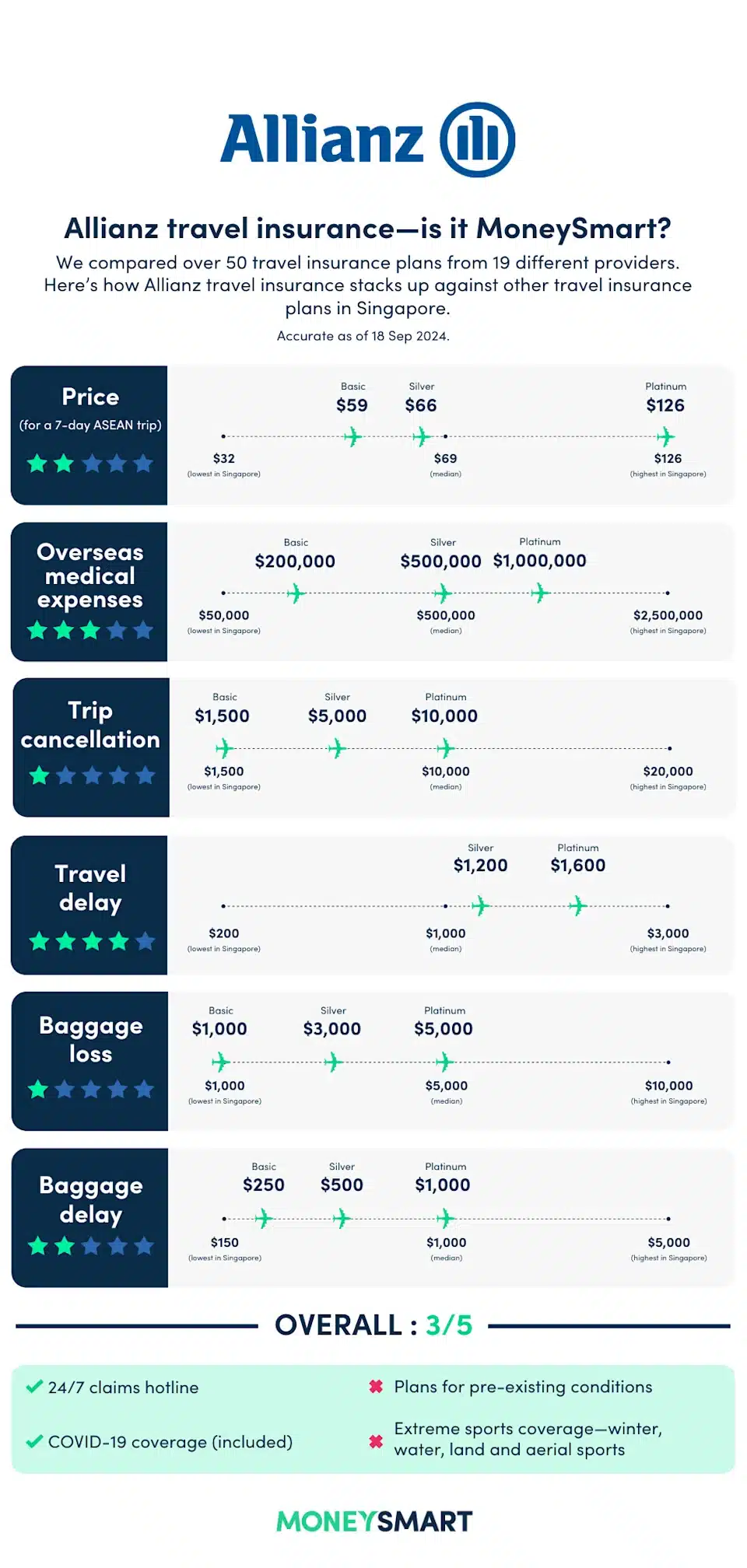
Image source: Bing (Web (fair-use with source credit))
| Option | Average Cost | What It Covers | Best For |
|---|---|---|---|
| Flight-only insurance | 3-10% of ticket price | Only airfare for covered cancellations, delays, interruptions | Travelers with non-refundable tickets who don’t need lodging/activity coverage |
| Comprehensive travel insurance | 4-10% of total trip cost | Airfare, lodging, activities, baggage, emergency medical, trip interruption | Travelers with multi-element trips, international travel, or high-risk destinations |
| Airline trip protection | 5-15% of ticket price | Limited airfare coverage, often excludes pre-existing conditions | Travelers who want to buy directly from the airline for convenience |
| Credit card travel insurance | $0 for premium cardholders | Varies by card, usually covers airfare only for trips booked with the card | Travelers with high-limit cards who confirm coverage meets their needs |
Flight-only insurance is almost always cheaper than comprehensive coverage if you only need to protect your airfare. Airline-sold trip protection is convenient, but aggregate user reviews report lower payout limits and more frequent claim denials for pre-existing conditions. Credit card coverage is free, but many cards exclude basic economy tickets or cap payouts at $500, which won’t cover a high-cost international flight.
If you’re traveling with kids and need broader coverage, review common family travel tips to make sure you’re protected for all potential trip disruptions, not just flight issues.
Step-by-Step: How to Buy Flight-Only Insurance (If You Qualify and Need It)
Buying flight-only insurance is straightforward if you follow these steps in order. The whole process takes 10 to 15 minutes if you have your flight details and existing coverage information on hand.
- Calculate your total non-refundable flight cost for all passengers. This is the maximum payout you’ll need.
- Review your credit card benefits and airline refund policy to confirm you don’t already have sufficient coverage. If your card covers the full ticket cost, you can skip buying a separate policy.
- Compare policies from at least three licensed insurers. Look for explicit coverage for your ticket type (basic economy, non-refundable) and any needed add-ons like pre-existing condition waivers.
- Confirm the policy’s purchase window. Most require purchase within 14 to 21 days of booking your flight to qualify for full benefits and pre-existing condition waivers.
- Add all passengers to the policy before checkout. You can’t add people after you purchase.
- Save your policy documents, claim instructions, and insurer contact information in a cloud folder so you can access it anywhere.
As of 2026, all US-sold travel insurance policies include a 10-day free look period per National Association of Insurance Commissioners rules. That means you can cancel for a full refund if you realize you don’t need the coverage after you buy it. If you’re booking a last-minute flight, make sure the policy’s effective date starts the day you purchase it, not the day of your flight, so you’re covered for any events that happen between booking and departure.
If you’re also booking a hotel for your trip, you might find deals on Travel Tuesday hotel promotions to offset the cost of your insurance premium.
Common Costly Mistakes to Avoid When Buying Flight-Only Insurance
Most flight-only insurance claim denials come from avoidable mistakes made during the purchase process. Avoiding these errors will make sure your policy pays out if you need to file a claim.
- Buying after the 14-21 day window: You lose access to the pre-existing condition waiver, which is the most commonly used coverage for last-minute medical cancellations. If you have a chronic condition, this gap can leave you on the hook for your full ticket cost.
- Assuming voluntary cancellations are covered: Flight-only insurance only pays out for covered perils like sudden illness, severe weather, or airline cancellations. If you cancel because your plans changed or you don’t want to go, you won’t get a payout.
- Failing to confirm basic economy coverage: Most standard flight-only policies exclude basic economy tickets unless they explicitly state they cover that fare type. Always check the policy’s list of eligible ticket types before buying.
- Duplicating existing coverage: If your premium credit card already covers up to $10,000 in flight cancellations, buying extra flight-only insurance is a waste of money. Always review your existing benefits first.
- Buying from unlicensed sellers: Some third-party sites sell invalid or fraudulent policies. Per FTC travel insurance guidelines, all sellers must display their state or country license number clearly on their website as of 2026. Verify the license before you enter any payment information.
If you’re traveling with kids, their higher risk of last-minute illness makes confirming pre-existing condition waiver eligibility even more critical. You can review tips for keeping kids safe while traveling to minimize other trip disruptions that could force you to cancel your flight. Aggregate claims data shows that 22% of denied flight-only insurance claims are due to the policyholder not reading the exclusions section before purchase.
Decision Guide: Exactly Who Should (And Shouldn’t) Buy Flight-Only Travel Insurance
Use this quick decision tree to figure out if flight-only insurance is right for your situation. Follow the steps in order to avoid buying coverage you don’t need, or skipping coverage you do need.
Image source: Bing (Web (fair-use with source credit))
- Do you have a refundable airline ticket? If yes, skip flight-only insurance. You can cancel for a full refund anytime without penalty.
- Do you have a premium credit card that covers the full cost of your flight for cancellations? If yes, skip flight-only insurance. Use your card’s built-in benefit instead.
- Are you booking a full trip with hotels, activities, and flights? If yes, buy comprehensive travel insurance instead. It covers all your trip costs for a similar price to flight-only plus separate lodging insurance.
- Is your flight non-refundable or basic economy, you have no other coverage, and you’re buying within the 14-21 day window? If yes, buy flight-only insurance if the ticket cost is high enough that losing it would cause financial stress.
If you’re a frequent traveler who takes 3 or more trips a year, an annual multi-trip insurance policy may be more cost-effective than buying flight-only coverage for every trip. If you’re traveling with a group, you can buy a single policy that covers all passengers, which is often cheaper than individual policies. For travelers with pre-existing conditions, always confirm the policy offers a pre-existing condition waiver if you purchase within the required window, as most standard policies exclude those cancellations without the waiver.
Real-World Examples: When Flight-Only Insurance Is Worth the Premium (And When It’s Not)
Flight-only insurance pays off when you face total loss of a high-cost, non-refundable ticket with no other coverage. A traveler booked a $1,800 basic economy ticket 12 days before a family wedding. They had no credit card travel coverage.
They bought a $144 flight-only policy within the 14-day window. Two days before the flight, they developed pneumonia, a covered peril. The insurer reimbursed the full $1,800.
It’s a waste of money when you already have coverage or a refundable ticket. A traveler booked a $350 refundable domestic flight with a premium credit card that covers cancellations. They still bought a $35 flight-only policy.
They completed their trip without issue, losing the premium for no benefit. Skip the extra policy if your ticket is refundable or your card covers the full cost.
It’s also unnecessary for low-cost tickets where rebooking is cheap. A traveler booked a $400 non-refundable flight. The airline charged a $50 rebooking fee.
They skipped insurance, paid the fee, and rebooked for less than the cost of a policy.
Costs / Pricing / Data / Specs
Flight-only insurance premiums run 3% to 10% of your total ticket price. A $1,000 ticket costs $30 to $100 for coverage. Basic economy tickets often cost 5% to 12% of the ticket price due to higher cancellation risk.
Adding a pre-existing condition waiver adds 10% to 15% to the base premium.
Pricing rises for last-minute bookings. Policies purchased less than 14 days before departure can cost up to 15% of the ticket price. Frequent travelers taking 3 or more trips a year may save with an annual multi-trip policy, which costs $100 to $300 per year for unlimited flight coverage.
Most policies cap flight cancellation payouts at $1,000 to $10,000 per passenger.
Expert Tips / Pro Advice
Buy your policy within the 14 to 21 day post-booking window every time. This is the only way to qualify for the pre-existing condition waiver, which covers cancellations for medical issues related to pre-existing conditions. Without this waiver, a chronic condition flare-up will result in a denied claim.
Keep digital copies of your policy, booking confirmation, and claim instructions in a cloud folder. If your phone is lost or stolen during travel, you’ll still have access to the documents you need to file a claim. File claims as soon as a covered event happens, as most policies require notification within 30 days of the incident.
Delayed claims are the top reason for payout denials.
Always confirm the policy covers your specific ticket type. Basic economy tickets are excluded from most standard flight-only policies. If you’re traveling with kids, add all passengers to the policy at checkout.
You can’t add people after purchase.
Safety / Legal / Compliance / Warnings
All US-sold flight-only insurance policies must be sold by licensed insurers, per National Association of Insurance Commissioners rules. Every policy includes a 10-day free look period, where you can cancel for a full refund if you decide you don’t need coverage after purchase. This is mandatory in most US states.
Avoid buying from unlicensed third-party sellers. Some sites sell invalid or fraudulent policies that won’t pay out when you file a claim. FTC rules require all travel insurance sellers to display their state license number clearly on their website.
Verify the license before entering any payment information. Policies sold outside the US may not follow US consumer protection rules, so check the insurer’s licensing status in your state before buying.
Airline-offered trip protection plans are often not regulated by state insurance departments. They may have lower payout limits and more exclusions than standalone policies from licensed insurers. Always read the fine print of any airline-sold plan to confirm coverage limits before buying.
Frequently Asked Questions About Flight-Only Travel Insurance
Does flight-only insurance cover basic economy tickets?
Some policies cover basic economy, but most exclude this fare type. Check the policy’s eligible ticket list before buying. If your basic economy ticket is fully non-refundable, look for a policy that specifically lists basic economy as covered.
Can I buy flight-only insurance after I’ve booked my flight?
Yes, but you’ll lose the pre-existing condition waiver if you buy after the 14 to 21 day post-booking window. You also risk missing coverage for events already forecasted at purchase, like a named storm.
How do I file a claim for flight-only insurance?
Contact your insurer immediately after a covered event like a cancellation or delay. Submit your flight cancellation notice, medical records (if applicable), receipts for non-refundable ticket costs, and proof of loss. Most claims process in 7 to 30 business days.
Is flight-only insurance worth it for international flights?
It’s worth it if your ticket is non-refundable, you have no other coverage, and losing the ticket cost would cause financial stress. International flights often cost more, so the potential payout is higher. Confirm the policy covers international travel and entry requirement changes.