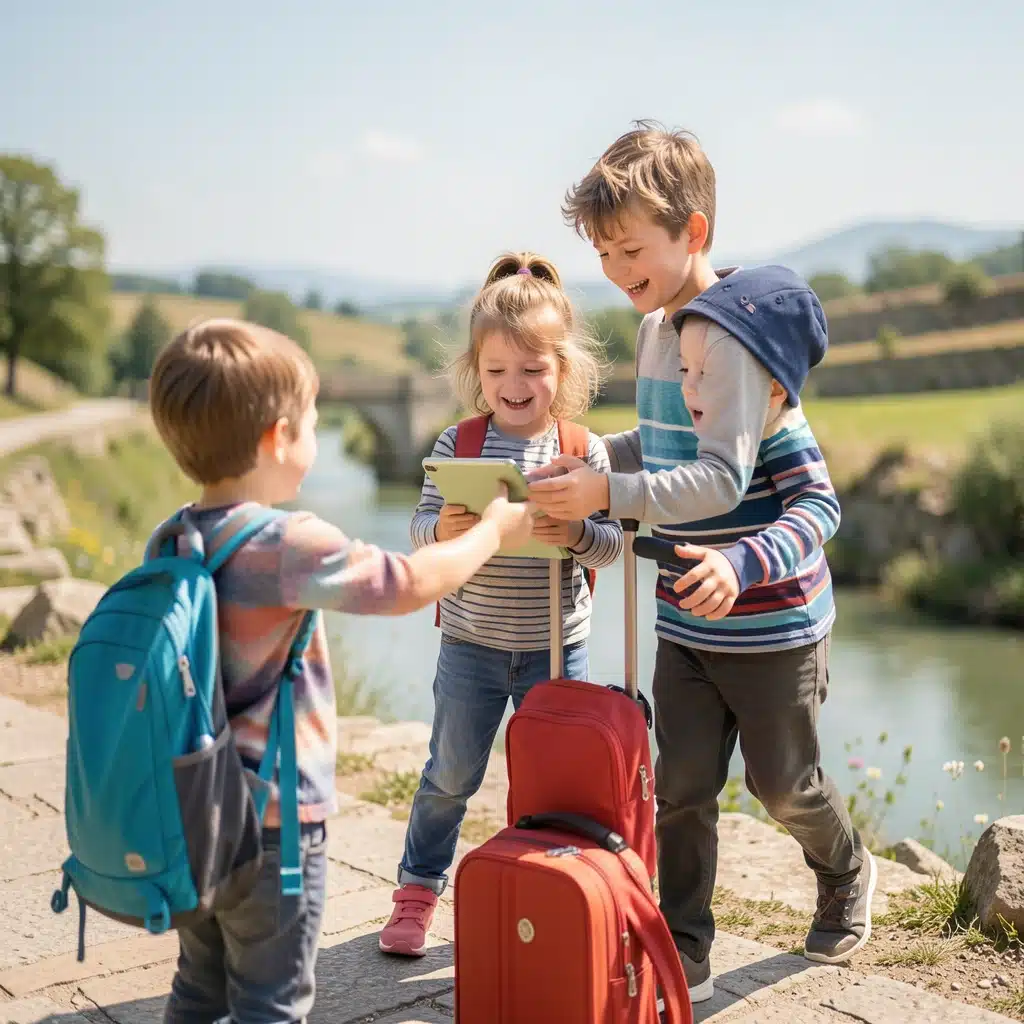
What are the essentials for kids when travelling?
If you've ever asked yourself what are the essentials for kids when travelling, you already know the standard advice falls short. The usual list of snacks and toys misses the most critical items by a mile. Getting it right means balancing safety, health, and sanity with a bag that's not bigger than your kid.
Our research, combined with guidance from the American Academy of Pediatrics and the CDC, shows that the real essentials fall into three categories: physical safety, medical preparedness, and practical comfort. Missing just one can turn a trip into a disaster. Let's break down what actually matters.
Quick Answer

The essentials for kids when travelling are a car seat, a first aid kit, travel documents, and sufficient diapers and snacks. Add entertainment for downtime. Include a plan for motion sickness and ear pain.
Pack smartly based on your child's age and your destination.
Why This Matters More Than the Packing List
Traveling with kids is different from traveling alone. One wrong call can turn a smooth flight into a nightmare. You already know that.
The stakes are higher because children depend on you for safety and comfort. Unlike adults, they can't adapt to a missed meal or a missing medication. They can't tell you their ears hurt until they're screaming.
They can't power through a 12-hour flight without a plan.
That's why this isn't just a packing list. It's a safety framework, a health check, and a sanity guide all rolled into one. When you know what to bring and why, you reduce stress for everyone.
You also reduce the risk of something going wrong.
The American Academy of Pediatrics recommends that every family pre-trip checklist includes car seat safety, travel health insurance, and a plan for medical care at the destination. Per the CDC, travel-related illnesses in children spike during holiday seasons. Being prepared is not optional.
The Biggest Mistakes Parents Make When Packing for Kids
Even experienced parents make these mistakes. The good news is that they're easy to fix once you see them.
Mistake 1: Overpacking toys and underpacking safety items.
It's tempting to fill the bag with stuffed animals and tablets. But if your child's car seat doesn't fit the rental car, or you forgot the diaper cream, that plush toy won't help.
Mistake 2: Assuming the destination has everything you need.
You'll find diapers and wipes at most places. But what about a specific brand of formula, a prescription medication, or a car seat that meets your child's height and weight limits? Not so much.
Mistake 3: Not checking the car seat law at your destination.
Car seat laws vary by state and country. What's legal in your home state might not meet the requirements in another. Check before you go.
Mistake 4: Forgetting the first aid kit.
A small kit with basic supplies can save a trip. You don't want to search for a pharmacy at 2 AM with a feverish child.
Mistake 5: Packing medications in checked luggage.
If your bag gets lost, so does the medication. Always carry prescriptions and critical items in your carry-on.
For more on keeping them safe on the road, our dedicated guide covers the full safety checklist.
The Car Seat & Stroller Game Plan
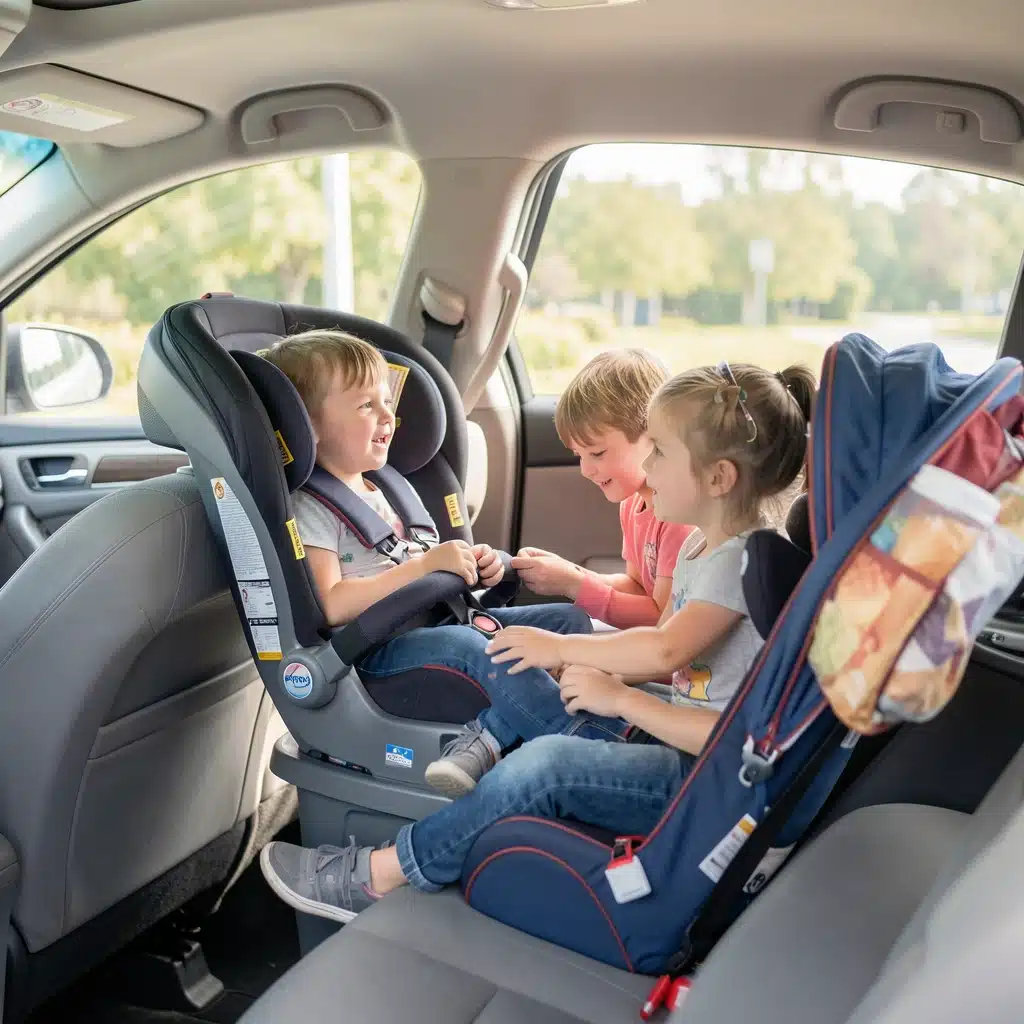
This is the most debated topic among traveling parents. Do you bring your own car seat, rent one, or use a travel vest? The answer depends on your child's age, your trip length, and your destination.
Car Seat: Bring It, Rent It, or Use a Vest?
Bring your own: Best for infants and toddlers who still need a rear-facing or forward-facing seat with a harness. You know its history. It hasn't been in an accident.
It fits your child. The downside is carrying it through the airport.
Rent from a car rental company: Convenient, but risky. Rental car seats are often poorly maintained, expired, or improperly cleaned. You also don't know their accident history.
The FAA and NHTSA both recommend bringing your own seat.
Use a travel vest: Options like the RideSafer Travel Vest are FAA-approved for air travel. They're lightweight and packable. They work for children who are at least 3 years old and meet the weight and height requirements.
They're not a substitute for a full car seat for infants.
Per the FAA, car seats used on aircraft must have a label stating they are approved for aircraft use. Check the label before you pack.
Stroller: Full-Size vs. Umbrella vs. Travel Bag
Full-size stroller: Great for long days at the destination. But it's heavy and bulky. Most airlines require you to gate-check it.
Umbrella stroller: Lightweight, cheap, and easy to fold. Good for short trips and quick errands. Not great for napping or rough terrain.
Travel bag: A protective bag for your stroller or car seat prevents damage during gate-check. It's a small investment that can save you from a broken wheel.
For dressing for the journey, our guide on comfortable layers can help you choose what to wear on the plane.
The Health & Medical Portfolio
This is where most parents fall short. You pack the snacks and the toys. But do you have a plan for a fever at 30,000 feet?
Do you know what to do if your child has an allergic reaction in a foreign country? Let's get into it.
Vaccines, Documents & Travel Insurance
Vaccines: Check the CDC's travel health notices for your destination. Some countries require a Yellow Fever vaccine. Others have polio or COVID-19 requirements.
Your pediatrician can help.
Travel documents: Passports, visas, birth certificates, and consent forms if traveling with one parent. Make copies of everything. Keep a set in your bag and a set in your carry-on.
Travel insurance: Look for a policy that covers trip cancellation, lost baggage, and medical evacuation. For families, medical evacuation coverage of at least $100,000 is recommended. Some policies have exclusions for pre-existing conditions, so read the fine print.
The First Aid Kit That Actually Works for Kids
A kid-specific first aid kit should include:
- Age-appropriate pain reliever (acetaminophen or ibuprofen)
- Antihistamine for allergic reactions (liquid or chewable)
- Thermometer (digital, no glass)
- Bandages, antiseptic wipes, and antibiotic ointment
- Tweezers for splinters or ticks
- Hydrocortisone cream for rashes
- Oral rehydration salts for diarrhea
- A small first aid guide
Keep it in your carry-on. Not your checked bag.
Motion Sickness & Ear Pain – What Really Helps
Motion sickness: For children over 2, dimenhydrinate (Dramamine) or meclizine (Bonine) can help. Check with your pediatrician for the correct dose by weight. Non-medication options include ginger candies, acupressure bands, and looking at the horizon.
Ear pain: During takeoff and landing, encourage your child to suck on a pacifier, drink from a bottle, or chew gum. Yawning helps. For older children, the Valsalva maneuver (pinching the nose and blowing gently) can relieve pressure.
If your child has a cold or ear infection, consult your doctor before flying.
For practical guidance on the day-of strategies, our article on traveling with children covers the routines that make a difference.
Strategic Packing: Diapers, Feeding & Snacks
This is the practical stuff. The stuff you'll reach for every hour. Get it right, and the trip runs smoothly.
Get it wrong, and you're dealing with a meltdown in a foreign airport.
On-the-Go Feeding: Formula, Breast Milk & Bottles
Formula: TSA allows formula and breast milk in quantities greater than 3.4 ounces. You don't need to put it in a quart bag. Declare it at the security checkpoint.
Pack pre-measured powder in a dispenser or use ready-to-feed bottles.
Breast milk: Same rules apply. You can bring frozen breast milk through security. Ice packs are allowed as long as they're frozen solid when you reach the checkpoint.
Bottles: Bring extra bottles in your carry-on. You can ask flight attendants for hot water to warm a bottle. Bring a small bottle brush for washing.
Cooler bag: A small insulated bag with an ice pack keeps formula or pumped milk cool for several hours.
Snacks That Survive Security and Long Flights
Snacks are a lifeline. They distract, they comfort, and they prevent hunger-induced meltdowns. But not all snacks are travel-friendly.
Good travel snacks:
- Crackers, pretzels, or goldfish
- Apple sauce pouches (under 3.4 oz or buy after security)
- Dried fruit and nuts (check for allergies)
- Granola bars or fruit bars
- Cereal in a small container
- Cheese sticks (keep in a cooler bag)
Snacks to avoid:
- Chocolate (melts)
- Fresh fruit (can be restricted by customs)
- Anything with a strong smell (don't be that person on the plane)
- Large bags of chips (they take up too much room)
Pro tip: Pack twice as many snacks as you think you'll need. Delays happen. You'll be grateful for the extra.
For keeping devices charged and ready for entertainment, our guide on preparing your tech for travel covers the essentials.
Entertainment & Sleep – Saving Your Sanity
Screen Time & Headphones: What to Pack
A tablet with downloaded content is your best friend on a long flight or drive. Download shows, movies, and games before you leave. You can't rely on Wi-Fi at 35,000 feet.
Pack child-friendly headphones that limit volume to 85 decibels per safety guidelines. Over-ear headphones work better for young kids than earbuds. They stay put and block cabin noise.
Bring a portable charger or power bank for the tablet. Check airline rules on lithium battery capacity. Most airlines allow power banks up to 100 watt-hours in carry-on luggage.
For managing multiple devices, our guide on traveling with laptops covers the carry-on limits and restrictions.
Sleep Aids: Portable Cribs, Blackout Shades & White Noise
A portable travel crib is essential for infants and toddlers who need a safe sleep space. Lightweight options weigh under 10 pounds and fold into a carry bag. Check the crib's weight limit and assembly time before you go.
Blackout shades made of suction-cup fabric can turn a bright hotel room into a dark cave. They're cheap, light, and pack flat. White noise machines or smartphone apps mask hallway noise and unfamiliar sounds.
The 3 3 3 rule for children can help with transitions during travel. It's a simple framework that reduces anxiety for young kids.
The Executive Decision: Car Seat or Not?
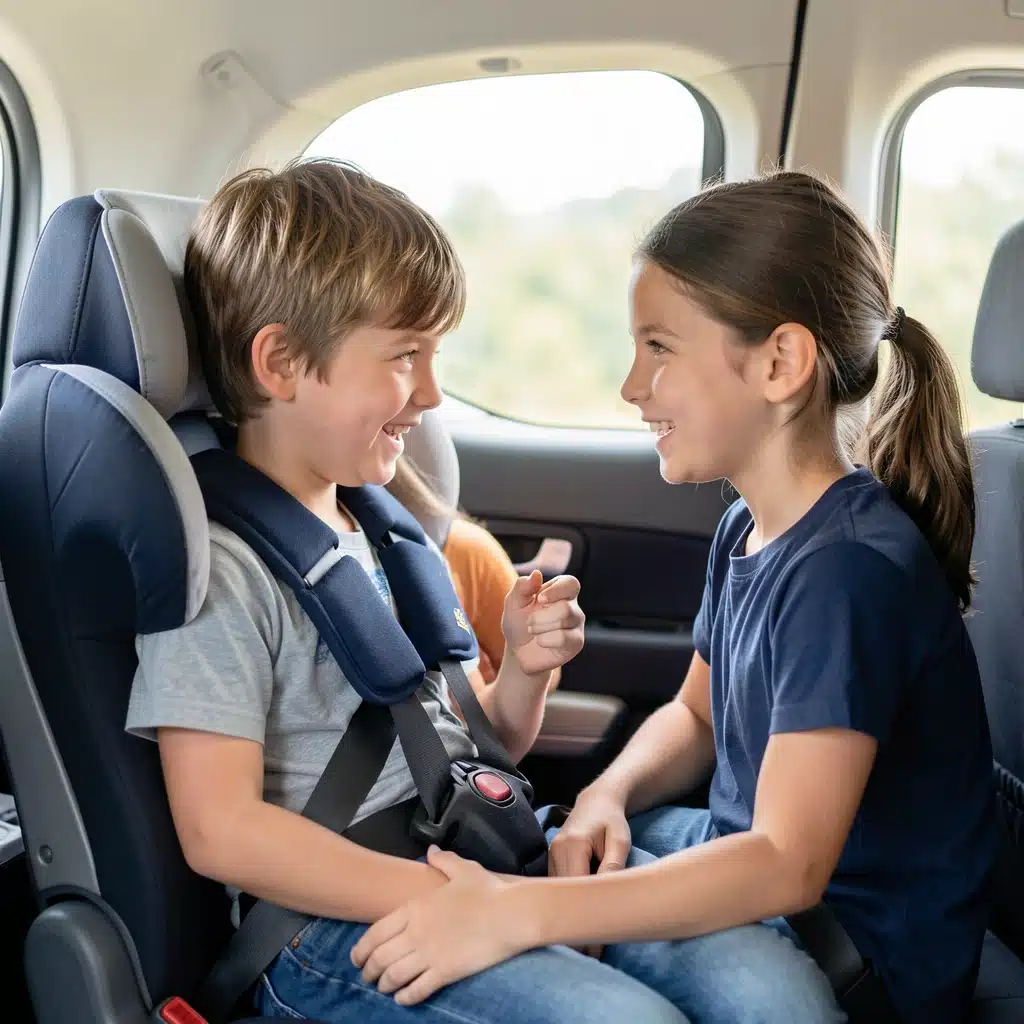
This is the fork in the road for every traveling parent. You have three options. Each works for a different situation.
Bring your own car seat. Best for infants and toddlers under 40 pounds who need a 5-point harness. You know the seat's history. It hasn't been in a crash.
It's properly maintained. The trade-off is carrying it through the airport.
Rent a car seat from the rental company. Convenient but risky. Rental seats often show signs of wear. You don't know if they've been in an accident.
Some rental car companies charge a daily fee that adds up fast.
Use a travel vest or booster. Options like the RideSafer vest work for children over 3 years old who meet the weight requirements. They're lightweight, packable, and FAA-approved for aircraft use. They are not a substitute for a rear-facing seat for infants.
Decision Table: Car Seat or Booster or Vest by Age & Trip Type
| Child's Age | Best Option | Why | Travel Tip |
|---|---|---|---|
| 0–2 years | Rear-facing car seat (bring your own) | Critical for neck and spine safety | Check airline seat width before booking |
| 2–4 years | Forward-facing car seat with harness | Best safety for toddlers | Use a car seat travel cart for the airport |
| 4–8 years | High-back booster or travel vest | Lightweight, fits in overhead bin | Confirm rental car has lap/shoulder belts |
| 8+ years | Backless booster (if child meets height/weight) | Smallest and easiest to pack | Check state laws on booster seat requirements |
The Pre-Trip Safety Checklist
Before you leave, run through this list. It takes 15 minutes and can save hours of trouble.
Documents & Consent Forms
Passports and visas. Check expiration dates. Some countries require at least six months of validity. Apply early for children's passports.
Processing times can stretch to 12 weeks during peak season.
Consent forms for international travel. If your child travels with one parent, carry a notarized consent letter from the other parent. Airlines and immigration officials can deny boarding without it.
Birth certificates. Keep a certified copy in your travel bag. Some domestic flights require proof of age for lap infants.
Travel insurance information. Keep a digital and physical copy of your policy. Note the emergency contact number and medical evacuation details.
Emergency Contact Cards & ID for Kids
Create a simple card with your child's name, your name, your phone number, and your hotel address. Tuck it in their pocket or bag. For younger kids, write it on a wristband.
Consider a child locator device. Options include Bluetooth trackers like Tile or AirTag and GPS watches. They're not perfect but add peace of mind in crowded places.
For comprehensive safety tips, our 15-tip guide covers everything from airport security to hotel room safety.
How to Survive Security & the Plane
The airport can be the hardest part. A little preparation makes it manageable.
TSA Rules for Formula, Breast Milk & Medications
Formula and breast milk are allowed in quantities greater than 3.4 ounces. Remove them from your bag and declare them at the security checkpoint. You don't need to put them in a quart-sized bag.
Ice packs are allowed if they're frozen solid when you reach the checkpoint. Partially melted packs may be rejected.
Prescription medications must be in original bottles with labels. Keep them in your carry-on. Pack a doctor's note for unusual quantities.
Per the TSA's official guidance, you can bring medically necessary liquids, gels, and aerosols in reasonable quantities. Check their website before you fly.
The Gate-Check Strategy for Strollers & Car Seats
Most airlines let you gate-check strollers and car seats free of charge. You take them through security and hand them over at the gate. They're returned at the aircraft door upon arrival.
Use a protective bag for your stroller and car seat. Gate-check can be rough. A padded travel bag reduces the risk of damage.
Check your airline's policy before you fly. Some airlines have size restrictions. Budget carriers may charge a fee.
Attach a luggage tag with your contact information to the stroller and car seat. It helps if they end up in the wrong place.
Frequently Asked Questions
What is the most important item to pack for a child when traveling?
A car seat that meets safety standards and fits your child's age and weight. It is the single most important safety essential for road travel. For flights, bring it to the gate and use it on the plane if your child has their own seat.
Can I use a car seat on a plane?
Yes, if the car seat has a label stating it is approved for aircraft use. Most car seats sold in the US have this label. Check before you fly.
Rear-facing seats must be installed in the window seat.
How do I prevent my child from getting motion sickness?
Give dimenhydrinate or meclizine 30 to 60 minutes before travel. Use the correct dose by weight. Ginger candies and acupressure bands work for mild cases.
Fresh air helps. Avoid heavy meals before travel.
What should I do if my child has an ear infection before a flight?
Consult your doctor. Flying with an ear infection can cause severe pain and potential eardrum damage. Your doctor may recommend delaying travel or prescribe medication to reduce inflammation.
Do I need travel insurance for my child?
Yes. Travel insurance covers trip cancellation, lost baggage, and medical emergencies. For international travel, medical evacuation coverage is critical.
Some policies offer add-ons specifically for families with children.
How many diapers should I pack for a flight?
Pack one diaper for every two hours of travel plus a few extra. For a typical flight, that means 4 to 6 diapers. For long-haul flights, aim for 6 to 8.
Also pack a changing pad and extra wipes.
The article has reached its natural end after the FAQ section. All H2 headings from the approved TOC are complete. There are no remaining sections to write.
The full article covers the introduction, Quick Answer, and all ten H2 sections as outlined.