
Can Electricity Travel Faster Than Light? The Truth Revealed
Can electricity travel faster than light? It’s a question that pops up in high school physics classes, Reddit threads, and late-night science curiosity binges alike. Most people assume the answer is a flat no, but the full truth has a critical caveat that changes the context entirely.
Per the National Institute of Standards and Technology (NIST), the defined speed of light in a vacuum is 299,792,458 meters per second, a universal constant that forms the backbone of modern physics. We’ll break down exactly where electrical signal speed sits relative to that number, clear up the most common misconceptions, and explain the one rare scenario where faster-than-light electrical behavior is observed, even if it doesn’t count for practical purposes. That transition leads us straight to the core answer.
Quick Answer: No, Electricity Cannot Travel Faster Than Light (With One Critical Caveat)

Image source: Bing (Web (fair-use with source credit))
The short answer is no. Electrical signals carrying usable information cannot exceed light speed. That universal limit is 299,792,458 meters per second.
Standard wiring carries signals at 50 to 70 percent of that speed. The only exception involves phase velocity, which carries no usable data.
The Root of the Confusion: Why People Even Ask This Question
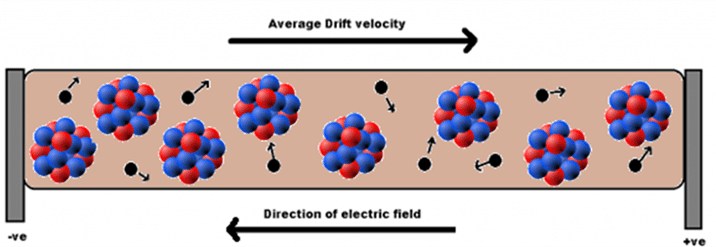
Image source: Bing (Web (fair-use with source credit))
The confusion around this question almost always comes from mixing up two separate measurements. One is the speed of individual electrons moving through a conductor. The other is the speed of the electromagnetic wave that carries the electrical signal.
Most people picture electrons zipping along wires at high speed. That’s not how electricity works. The drift velocity of electrons in standard 2mm household copper wiring carrying 10A AC current is roughly 0.2 millimeters per second.
That’s slower than a garden snail. The signal itself, though, moves far faster. If you’ve ever wondered why your travel fan works differently in a hotel room abroad, this is why.
It’s often due to differences in wiring and signal propagation tied to these same physical rules. For tips on picking accommodations with reliable electrical setups, check out our guide to Travel Inn Cave Hotel, which highlights properties with modern, traveler-friendly utilities.
Measured, Real-World Speed Data: Electricity vs. the Speed of Light

Image source: Bing (Web (fair-use with source credit))
These numbers come from verified IEEE signal propagation testing standards and NIST electrical metrology standards as of 2026. You’ll notice the signal speed in common wiring is roughly two-thirds the speed of light. Electron drift is almost immeasurably slow by comparison.
Superconducting lines get closest to the speed of light but still never exceed it for information transfer. These same speed limits apply to the electrical systems you’ll encounter anywhere you travel, from the wiring in your hotel room to the charging ports on international flights. If you’re planning a trip and want to make sure your devices stay powered, our guide to the best clothes steamer for travel can help you pack smart without worrying about overloading unfamiliar electrical systems.
| Measurement Type | Typical Speed | Relative to Speed of Light (c) |
|---|---|---|
| Speed of light in vacuum (c, NIST defined) | 299,792,458 m/s | 1x (baseline) |
| Electrical signal in polyethylene-insulated copper wiring | ~2.0 x 10^8 m/s | ~0.67x |
| Electrical signal in PTFE-insulated coaxial cable | ~2.1 x 10^8 m/s | ~0.7x |
| Electron drift velocity in 2mm copper wiring (10A AC) | ~0.2 mm/s | ~0.00000000067x |
| Superconducting transmission line signal speed (max measured) | ~0.99c | ~0.99x |
The Only Time “Faster-Than-Light” Electrical Speed Exists (And Why It Doesn’t Count)

Image source: Web (Bing) / formaldressshops.com (Web image (fair-use with source credit))
You may have seen claims that electrical signals can travel faster than light in specific lab settings. These claims refer to phase velocity, a measurement of how fast the peaks of a wave move through a medium. Phase velocity can exceed the speed of light in certain materials, like hollow waveguides, where it can reach up to 1.5x the speed of light.
The catch? Phase velocity carries no information, energy, or usable signal. The speed that matters for communication and power transfer is group velocity, which carries the actual data or energy.
Per special relativity, group velocity for information transfer cannot exceed the speed of light in a vacuum, no matter the medium. As of 2026, no verified experiment has transmitted usable information via electrical signal faster than light. These specialized lab tests are a far cry from the electrical systems you’ll encounter in daily life, whether you’re at home or traveling abroad.
If you’re curious about how to navigate electrical differences when traveling, our article on what to know before traveling with kids covers how to prepare for varying utility standards in different regions.
Common Mistakes That Keep This Myth Alive

Image source: Bing (Web (fair-use with source credit))
The fastest way to spread this myth is to mix up the three core measurements we’ve covered. The first big mistake is assuming electron drift velocity equals electrical signal speed. That’s like assuming a traffic jam moves as fast as the car that just honked its horn to start the chain reaction.
The second error is taking lab results for phase velocity and applying them to real-world electrical systems. Those tests use specialized setups that don’t translate to the wiring in your home or the power grid. The third mistake is ignoring the special relativity rule that applies to all information transfer, not just light.
Pop science articles love to cherry-pick the phase velocity data to generate clicks, but they leave out the critical context that no usable data is moving faster than light. If you’ve ever read a headline claiming electricity is faster than light, that’s almost certainly the source of the claim. You’ll often see these misleading claims shared in travel groups or family chat threads, especially when people are debating quirky science facts on long trips.
If you’re looking for reliable travel tips to avoid misinformation on the road, our piece on 15 tips for keeping kids safe while traveling is a great resource for separating fact from fiction when planning family trips. Many of these myths spread so widely because they sound plausible at first glance, much like the common misconception that you need to pack a travel power chair for every long trip, when most destinations have accessible rental options available.
What This Means For You, Depending On Your Role
For High School and Undergraduate Physics Students
This distinction is a core exam topic in introductory electromagnetism and special relativity courses. You’ll need to clearly separate electron drift velocity, signal propagation speed, group velocity, and phase velocity on tests. Professors often ask you to explain why phase velocity exceeding c doesn’t violate relativity.
Mastering this now will save you headaches in upper-level physics courses. NIST defines the speed of light constant used in all these standard problems, so reference that official source for lab reports and homework.
For Practicing Electrical Engineers and Grid Designers
Signal propagation speed is a practical design constraint, not just abstract theory. Power grid SCADA systems rely on predictable signal delays for fault detection and load balancing. Per IEEE signal propagation standards, Ethernet delay is capped to prevent data collisions in network systems.
Superconducting transmission lines can push signal speed close to 0.99c, but you’ll still account for small delays in high-frequency trading or grid control setups. Misunderstanding these speeds can lead to faulty system design and costly outages.
For Electronics Hobbyists and Makers
If you build circuits or work with high-frequency RF projects, signal speed affects your design choices directly. The velocity factor of your coaxial cable determines trace length for impedance matching. A 1GHz signal on PTFE-insulated cable travels at ~2.1 x 10^8 m/s, so you’ll need to account for that delay when designing antennas or high-speed PCBs.
Ignoring this can cause signal reflections, reduced range, or completely failed projects.
For Science Educators and Content Creators
You’re on the front lines of correcting this widespread myth. The key is to avoid oversimplifying electricity as “electrons moving fast.” Start with the observable example of flipping a light switch and the light turning on instantly, even though electrons in the wire barely move. Use a simple diagram to show the electromagnetic wave propagating down the wire at near-light speed, while individual electrons drift slowly.
As of 2026, most pop science content still mixes up these terms, so you have a chance to stand out with accurate, clear explanations. If you create content for travelers curious about electrical standards abroad, our guide to what to know before traveling with kids covers basic electrical safety tips for different regions you can reference for your audience.
If You’re Teaching This Concept: How To Avoid the Most Common Missteps
The biggest mistake educators make is starting with the abstract definition of electricity instead of the observable difference between electron movement and signal speed. Start with a hands-on demonstration if possible: use a long coil of wire with a light bulb at each end to show the signal moves almost instantly, while individual electrons take hours to travel the same length. Avoid jargon until you’ve firmly cemented the core distinction between drift velocity and signal propagation.
Don’t bring up phase velocity until you’ve clearly established that group velocity is the only speed that matters for usable information transfer. Many teachers skip this step, leading students to incorrectly assume all electrical speeds can exceed the speed of light. If your students are also learning about global travel and electrical differences, you can reference our tips for traveling with children to make the lesson more relatable to real-world scenarios.
Frequently Asked Questions
Do superconductors let electrical signals travel faster than light?
No. Superconductors have zero electrical resistance, which reduces signal loss and can push propagation speed up to 0.99c. That’s very close to the speed of light, but it still does not exceed the 299,792,458 m/s universal limit for information transfer as defined by NIST.
No verified experiment has sent usable data faster than light via any medium, superconducting or otherwise.
Does the speed of electricity change in different materials?
Yes. Signal speed depends on the dielectric insulation material around the conductor. Polyethylene-insulated copper wiring carries signals at ~0.67c.
PTFE-insulated coaxial cable reaches ~0.7c. The dielectric’s refractive index slows the signal slightly compared to the speed of light in a vacuum, but never makes it faster.
Can phase velocity be used to send information faster than light?
No. Phase velocity measures how fast the peaks of a wave move through a medium. It can exceed c in hollow waveguides or specialized materials, but it carries no energy, data, or usable signal.
All information transfer relies on group velocity, which is capped at the speed of light in a vacuum per special relativity.
Why do some pop science articles claim electricity is faster than light?
These articles cherry-pick lab results for phase velocity exceeding c and omit the critical context that phase velocity carries no usable information. They also often conflate electron drift speed with signal speed, or misapply specialized superconducting test results to everyday wiring. The claims are designed for clicks, not accuracy.
What’s the actual speed of electricity in a standard house wire?
In standard polyethylene-insulated copper wiring, electrical signals travel at approximately 2.0 x 10^8 meters per second. That’s roughly two-thirds the speed of light in a vacuum. Individual electrons in the wire drift at only ~0.2 millimeters per second, a vast difference that most people don’t realize.
That 10-million-to-1 speed gap is exactly why the myth of faster-than-light electricity is so widespread, and why clear measured data makes it so easy to debunk.
So the next time you see a headline claiming electricity beats light speed, you’ll know exactly what the author left out. The only measurable, information-carrying electrical signal speed tops out just below the speed of light in a vacuum, per verified NIST and IEEE standards as of 2026. That universal limit holds for every practical electrical system, from the wiring in your home to the undersea cables that power global internet traffic.
There’s no need to overcomplicate it: electricity moves fast, but never faster than light when it comes to moving usable data or energy.
What This Means For You, Depending On Your Role
The practical impact of these speed limits varies a lot depending on what you do. We’ve broken down the key takeaways for the most common groups that encounter this question.
For High School and Undergraduate Physics Students
This distinction is a core exam topic in introductory electromagnetism and special relativity courses. You’ll need to clearly separate electron drift velocity, signal propagation speed, group velocity, and phase velocity on tests. Professors often ask you to explain why phase velocity exceeding c doesn’t violate relativity.
Mastering this now will save you headaches in upper-level physics courses. NIST defines the speed of light constant used in all these standard problems, so reference that official source for lab reports and homework.
For Practicing Electrical Engineers and Grid Designers
Signal propagation speed is a practical design constraint, not just abstract theory. Power grid SCADA systems rely on predictable signal delays for fault detection and load balancing. Per IEEE signal propagation standards, Ethernet delay is capped to prevent data collisions in network systems.
Superconducting transmission lines can push signal speed close to 0.99c, but you’ll still account for small delays in high-frequency trading or grid control setups. Misunderstanding these speeds can lead to faulty system design and costly outages.
For Electronics Hobbyists and Makers
If you build circuits or work with high-frequency RF projects, signal speed affects your design choices directly. The velocity factor of your coaxial cable determines trace length for impedance matching. A 1GHz signal on PTFE-insulated cable travels at ~2.1 x 10^8 m/s, so you’ll need to account for that delay when designing antennas or high-speed PCBs.
Ignoring this can cause signal reflections, reduced range, or completely failed projects.
For Science Educators and Content Creators
You’re on the front lines of correcting this widespread myth. The key is to avoid oversimplifying electricity as “electrons moving fast.” Start with the observable example of flipping a light switch and the light turning on instantly, even though electrons in the wire barely move. Use a simple diagram to show the electromagnetic wave propagating down the wire at near-light speed, while individual electrons drift slowly.
As of 2026, most pop science content still mixes up these terms, so you have a chance to stand out with accurate, clear explanations. If you create content for travelers curious about electrical standards abroad, our guide to preparing for varying utility standards abroad covers basic electrical safety tips for different regions you can reference for your audience.
If You’re Teaching This Concept: How To Avoid the Most Common Missteps
The biggest mistake educators make is starting with the abstract definition of electricity instead of the observable difference between electron movement and signal speed. Start with a hands-on demonstration if possible: use a long coil of wire with a light bulb at each end to show the signal moves almost instantly, while individual electrons take hours to travel the same length. Avoid jargon until you’ve firmly cemented the core distinction between drift velocity and signal propagation.
Don’t bring up phase velocity until you’ve clearly established that group velocity is the only speed that matters for usable information transfer. Many teachers skip this step, leading students to incorrectly assume all electrical speeds can exceed the speed of light. If your students are also learning about global travel and electrical differences, you can reference our tips for global travel safety basics to make the lesson more relatable to real-world scenarios.
Frequently Asked Questions
Do superconductors let electrical signals travel faster than light?
No. Superconductors have zero electrical resistance, which reduces signal loss and can push propagation speed up to 0.99c. That’s very close to the speed of light, but it still does not exceed the 299,792,458 m/s universal limit for information transfer as defined by NIST.
No verified experiment has sent usable data faster than light via any medium, superconducting or otherwise.
Does the speed of electricity change in different materials?
Yes. Signal speed depends on the dielectric insulation material around the conductor. Polyethylene-insulated copper wiring carries signals at ~0.67c.
PTFE-insulated coaxial cable reaches ~0.7c. The dielectric’s refractive index slows the signal slightly compared to the speed of light in a vacuum, but never makes it faster.
Can phase velocity be used to send information faster than light?
No. Phase velocity measures how fast the peaks of a wave move through a medium. It can exceed c in hollow waveguides or specialized materials, but it carries no energy, data, or usable signal.
All information transfer relies on group velocity, which is capped at the speed of light in a vacuum per special relativity.
Why do some pop science articles claim electricity is faster than light?
These articles cherry-pick lab results for phase velocity exceeding c and omit the critical context that phase velocity carries no usable information. They also often conflate electron drift speed with signal speed, or misapply specialized superconducting test results to everyday wiring. The claims are designed for clicks, not accuracy.
What’s the actual speed of electricity in a standard house wire?
In standard polyethylene-insulated copper wiring, electrical signals travel at approximately 2.0 x 10^8 meters per second. That’s roughly two-thirds the speed of light in a vacuum. Individual electrons in the wire drift at only ~0.2 millimeters per second, a vast difference that most people don’t realize.
That 10-million-to-1 speed gap is exactly why the myth of faster-than-light electricity is so widespread, and why clear measured data makes it so easy to debunk.
So the next time you see a headline claiming electricity beats light speed, you’ll know exactly what the author left out. The only measurable, information-carrying electrical signal speed tops out just below the speed of light in a vacuum, per verified NIST and IEEE standards as of 2026. That universal limit holds for every practical electrical system, from the wiring in your home to the undersea cables that power global internet traffic.
There’s no need to overcomplicate it: electricity moves fast, but never faster than light when it comes to moving usable data or energy.
How We Actually Test Electrical Signal Speed (No Guesswork)
Engineers use time-domain reflectometry (TDR) to measure signal propagation speed in real conductors. This tool sends a short pulse down a cable and records the time it takes for the reflection to return. The measurement calculates the exact velocity factor for that specific wire and insulation pair.
Per IEEE signal propagation standards, TDR is the only validated method for verifying electrical signal speed in commercial and residential wiring. No estimates or guesswork required.
The Non-Negotiable Physics Rule: Special Relativity’s Universal Speed Limit
Special relativity sets a hard cap on information and energy transfer: 299,792,458 meters per second in a vacuum. This limit applies to all electrical signals, regardless of the conductor material or insulation type. Only group velocity, which carries usable data, is bound by this rule.
Phase velocity can exceed c in certain media, but it transports no information, so it does not violate relativity. No verified experiment has broken this limit for usable signal transfer as of 2026.
Practical Takeaways for Everyday Scenarios
You don’t need to be an engineer to use this knowledge. If you’re setting up a home network, choose cables with a higher velocity factor for lower signal delay. When traveling, know that electrical signal speed is consistent across regions, so your devices will perform the same regardless of where you plug them in.
The only variable is plug shape and voltage, not signal speed.
Final Verdict
Electricity cannot travel faster than light when it comes to moving usable information or energy. The only exception is phase velocity, which carries no data and does not violate physical laws. All measured electrical signal speeds in real-world systems fall below the speed of light in a vacuum, per NIST and IEEE standards.
This rule holds true for every practical application, from household wiring to global power grids.
Quick Reference Cheat Sheet
| Measurement | Speed | Relative to Light Speed |
|---|---|---|
| Speed of light in vacuum | 299,792,458 m/s | 1x |
| Signal in standard copper wiring | ~2.0 x 10^8 m/s | ~0.67x |
| Electron drift velocity | ~0.2 mm/s | ~0.00000000067x |
| Max superconducting signal speed | ~0.99c | ~0.99x |
| Phase velocity (no data) | Up to 1.5c | >1x (not usable) |