

How Fast Does Electricity Travel Through Power Lines: Speed Unveiled
Ever wondered how fast electricity zips through the power lines that stretch across cities and countryside? It’s a fascinating topic that touches our lives every day.
You flip a switch, and instantly your room lights up. But have you ever paused to think about the incredible speed at which this happens? Understanding the speed of electricity isn’t just for tech enthusiasts; it can change the way you think about energy and the world around you.
You’ll discover surprising facts that will satisfy your curiosity and maybe even make you the expert in your next conversation about how our modern world functions. Let’s unravel the mystery of how fast electricity really travels through power lines.
Credit: www.energyone.com
Basic Principles Of Electricity
Understanding the basic principles of electricity can be as fascinating as watching lightning dance across the sky. Whether you’re curious about how your smartphone charges or how streetlights flicker on at night, electricity is the invisible force that powers our lives. But have you ever wondered how fast it travels through power lines? Let’s delve into the nature of electric current and the role of conductors and insulators in this electrifying journey.
Nature Of Electric Current
Electric current is essentially the flow of electrons through a conductor. Think of it like water flowing through a pipe. These electrons move swiftly, allowing electricity to travel incredible distances almost instantaneously. Imagine flipping a light switch and the bulb illuminating instantly; that’s the speed of electricity at play.
Electricity travels at nearly the speed of light, about 299,792 kilometers per second. This fast-paced journey is crucial for ensuring reliable and efficient power delivery. Next time your phone charges in a blink, remember it’s the rapid dance of electrons behind the scenes.
Conductors And Insulators
Conductors are materials that allow electric current to flow easily. Copper and aluminum are prime examples, often used in power lines due to their excellent conductivity. When you plug in a device, these conductors ensure electricity reaches it swiftly and efficiently.
Insulators, on the other hand, are materials that resist the flow of electric current. Rubber, glass, and plastic are common insulators. They play a vital role in protecting us from electrical hazards. Imagine handling a live wire; without insulation, it’d be a shocking experience, quite literally!
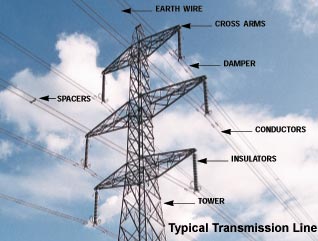
Choosing the right materials for power lines is critical. Conductors ensure speedy travel of electricity, while insulators safeguard against accidents. Ever wondered why power lines are high above? It’s partly to keep them out of reach, protected by insulating materials.
Electricity’s journey through power lines is a testament to the marvels of modern engineering. It’s fascinating how the principles of conductors and insulators work harmoniously to power our world. Next time you switch on a device, take a moment to appreciate the science behind it. How does understanding these principles change your perspective on everyday technology?
Factors Affecting Electricity Speed
Electricity speeds through power lines at nearly the speed of light, influenced by resistance and conductor material. Copper and aluminum are common materials, impacting how fast electricity travels. Temperature changes also affect speed, slowing down in colder conditions.
Electricity zips through power lines at an incredible speed, but have you ever wondered what influences this rapid journey? It’s not just a matter of flicking a switch and magic happens. Several factors come into play, each playing a critical role in determining how fast electricity reaches our homes. Let’s unpack these factors to better understand how they affect the speed of electricity.
Material Of Conductors
The material used in power lines significantly affects electricity speed. Conductors like copper and aluminum are common due to their high conductivity. Copper, for example, allows electrons to flow swiftly, making it a preferred choice for efficient power transmission. However, not all materials are created equal. Some materials, despite their conductivity, might be more prone to resistance, slowing down the flow. Consider this next time you see those power lines stretching across the landscape—what materials are making that connection seamless?
Temperature Influence
Temperature plays a surprising role in electricity speed. As temperatures rise, so does the resistance in power lines. This can slow down the flow of electricity, just like how you might feel sluggish on a hot day. Conversely, cooler temperatures can enhance conductivity, allowing electricity to travel faster. Ever noticed how gadgets sometimes overheat and slow down? The same principle applies to electricity in power lines.
Voltage Impact
Voltage is another crucial player in the speed of electricity. Higher voltages can push electricity through power lines more rapidly. It’s like giving those electrons a turbo boost to reach their destination quicker. Think about those high-voltage lines you see along highways. They aren’t just for show—they’re designed to move electricity swiftly over long distances. What voltage levels do you think are coursing through the lines in your neighborhood? By understanding these factors, you gain insight into the complex journey electricity takes from power plants to your light bulb. Next time you flip a switch, remember the fascinating dance of materials, temperature, and voltage that make it all possible. How do you think these factors play out in the future of electricity transmission?
Electricity Speed In Different Mediums
Understanding how fast electricity travels can be quite fascinating. It moves through different materials at varying speeds, influenced by the medium it passes through. Power lines, made of various materials, affect this speed. This section explores how electricity speed differs in copper and aluminum, and in overhead and underground lines.
Copper Vs. Aluminum
Copper is a highly conductive material. Electricity travels quickly through copper due to its low resistance. Aluminum, while lighter and cheaper, offers more resistance. This slows electricity down compared to copper. Copper is often preferred for its efficiency in transmitting electricity. Aluminum might be chosen for cost-saving reasons.
Overhead Vs. Underground Lines
Overhead lines are exposed to the air. They allow electricity to travel with less interference from the environment. Underground lines are buried, surrounded by soil and insulation. This can slow down electricity due to added resistance. Overhead lines usually transmit electricity faster than underground lines.
Credit: physics.stackexchange.com
Measuring Electricity Speed
Electricity zips through power lines at nearly the speed of light, approximately 300,000 kilometers per second. This rapid movement allows instant energy transmission over vast distances, lighting homes and powering devices in the blink of an eye.
Understanding how electricity speeds through power lines can seem like a mysterious concept. You might wonder how this invisible force travels so quickly across vast distances. Measuring the speed of electricity is essential for optimizing energy distribution and ensuring reliability. Let’s explore the methods we use to measure this speed and how it applies to real-world scenarios.
Techniques And Tools
Measuring electricity speed involves sophisticated techniques and precise tools. Engineers use time-domain reflectometry (TDR), a method that sends a pulse down the line and measures the time it takes for the pulse to return. This helps determine the speed and detect any line issues. Another common tool is the phasor measurement unit (PMU), which measures electrical waves on an electricity grid to monitor the system. PMUs provide real-time data, making it easier to analyze speed and efficiency. Engineers also use oscilloscopes to visualize electrical signals in the power lines. This allows them to measure the frequency and amplitude of the waves, offering insights into the speed and stability of electricity flow.
Real-world Applications
Accurate speed measurements are crucial for several real-world applications. Consider a power outage scenario. By understanding the speed of electricity, engineers can quickly identify and address disruptions, minimizing downtime. Electricity speed measurement also plays a vital role in renewable energy integration. When solar panels or wind turbines produce electricity, knowing the speed ensures efficient energy transfer to the grid. Smart grids, which you might have heard about, rely heavily on precise speed measurements. These advanced systems use real-time data to optimize energy distribution, ensuring that your home receives electricity efficiently. Have you ever thought about how these measurements impact your daily life? The speed of electricity affects everything from how quickly your lights turn on to the reliability of your internet connection. Why not take a moment to appreciate the unseen forces that power your world? Understanding the speed of electricity might just change the way you think about flipping that switch.
Common Myths About Electricity Speed
Electricity doesn’t travel at the speed of light through power lines. It moves slower, resembling the speed of sound. Common myths confuse this, assuming electricity zips along instantaneously, but it’s more complex. Understanding actual speeds helps clear misconceptions and highlights the intricate nature of electrical flow in power systems.
Electricity is a fascinating phenomenon that powers our modern world, yet many misconceptions surround its speed through power lines. You’ve probably heard some myths that seem plausible but don’t quite hold up under scrutiny. Let’s unravel these myths and get to the real facts about electricity speed.
Misconceptions And Facts
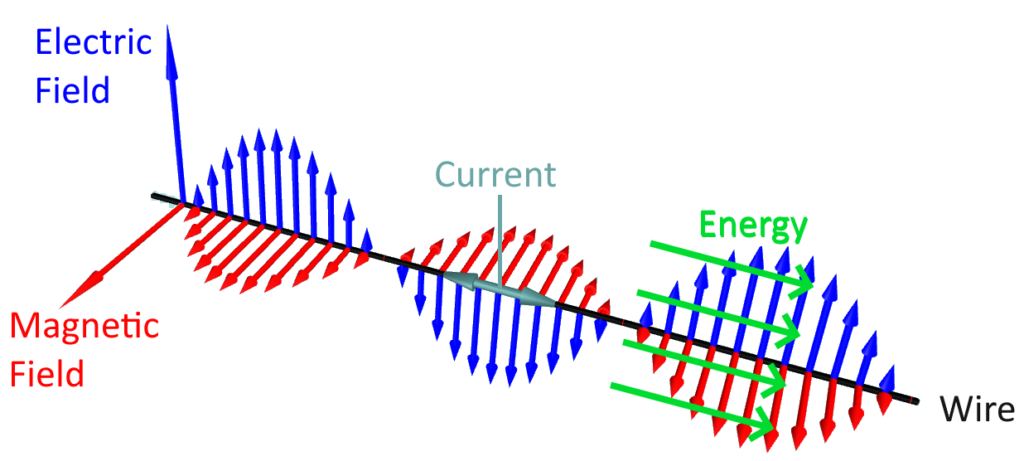
One common myth is that electricity travels at the speed of light. While it’s true that the electromagnetic wave propagation in power lines can approach light speed, electrons themselves move much slower. This distinction is crucial because it affects how quickly power can be transmitted across distances. Another misconception is that the thickness of a power line determines the speed of electricity. In reality, wire thickness affects current capacity, not speed. A thicker wire can carry more current but doesn’t make electricity travel faster. Think about when you flip a switch in your home. The light turns on almost instantly. Does this mean electricity is instantaneous? Not quite. The rapid response is due to the electromagnetic wave’s speed, not the actual movement of electrons.
Impact On Power Transmission
You might wonder how these myths impact power transmission. Understanding the true speed of electricity helps engineers design efficient power grids. Faster wave propagation means quicker communication between components, optimizing the flow of electricity. Consider the importance of timing in maintaining a stable power supply. If you miscalculate the speed, you risk disruptions and inefficiencies. Precise knowledge ensures seamless operation across vast networks, reducing outages and improving reliability. Have you ever experienced a power outage and wondered why it took so long to restore electricity? The speed at which issues are detected and addressed is linked to these principles. Knowing how electricity moves allows for swift corrective actions, minimizing downtime. Engaging with these misconceptions prompts a deeper understanding of how power systems work. Next time you switch on a light, you’ll appreciate the complex dance of electrons and waves making it happen so seamlessly. What other myths do you think affect our everyday understanding of electricity?

Credit: www.abc.net.au
Future Of Power Line Technologies
Electricity travels at nearly the speed of light through power lines. This rapid movement ensures efficient energy delivery. Future advancements in power line technologies may enhance this speed further, improving energy distribution.
The future of power line technologies is an exciting frontier in the world of energy. As we strive for more efficient and sustainable energy systems, the way electricity travels through power lines is evolving rapidly. This transformation not only promises to improve energy distribution but also to significantly impact your daily life by reducing energy costs and enhancing reliability.
Innovations In Conductor Materials
Imagine power lines made from materials that conduct electricity with minimal resistance. This is becoming a reality with innovations in conductor materials. Traditional copper and aluminum are giving way to advanced composites and superconductors. These new materials can carry more electricity without getting hot. This means less energy is wasted as heat, leading to more efficient power delivery. Have you ever wondered why your electricity bill fluctuates? It could be due to energy loss in old power lines, something new materials are set to change.
Efficiency Improvements
Efficiency is the name of the game in modern power line technology. New systems are designed to minimize energy loss and maximize output. Power lines are being equipped with sensors that monitor performance in real time. These sensors can detect faults and inefficiencies instantly, allowing for quick fixes. Imagine if your power company could prevent outages before they happen. This proactive approach not only saves money but also keeps your lights on when you need them most. Moreover, grid enhancements like smart grids are paving the way for better energy management. Smart grids allow for more efficient distribution by balancing supply and demand. Have you considered how this could affect your future energy usage? The future of power line technologies is not just about speed but also about smarter, more efficient power systems. As these innovations unfold, they promise to transform how you experience energy in your day-to-day life. Are you ready for a future where electricity is not just faster, but smarter?
Frequently Asked Questions
How Fast Does Electricity Move Through A Wire?
Electricity moves through a wire at nearly the speed of light, approximately 186,282 miles per second. The actual speed varies slightly based on the wire’s material and thickness. Electrons drift slowly, but the electric field propagates quickly, allowing instantaneous power transmission.
How Fast Is Electricity In Power Lines?
Electricity in power lines travels at nearly the speed of light, approximately 300,000 kilometers per second. This rapid movement allows electrical energy to be transmitted efficiently over long distances, ensuring timely delivery to homes and businesses.
How Far Does Electricity Travel Through Power Lines?
Electricity can travel hundreds of miles through high-voltage power lines. Transmission efficiency depends on voltage, line quality, and distance. Power stations use transformers to boost voltage, minimizing energy loss over long distances. Most electricity travels from regional power plants to local substations, then distributed to homes and businesses.
How Fast Does Electricity Flow In Mph?
Electricity travels at speeds close to the speed of light. This is approximately 670,616,629 mph.
Conclusion
Understanding electricity speed is crucial for efficient energy use. Power lines carry electricity swiftly, ensuring homes and businesses stay powered. The speed of electricity depends on factors like line type and material. While not the speed of light, it’s impressively fast.
This quick travel ensures reliable energy delivery. With this knowledge, you gain insight into daily energy systems. Grasping these basics helps in appreciating the technology around us. It’s fascinating how something invisible powers our world. So, next time you switch a light on, think of the journey electricity takes.
It’s a remarkable process that keeps our lives running smoothly.