
How Much Does Travel Insurance Cost? Your Full Price Guide
How much is the cost of travel insurance? If you’re finalizing a trip booking right now, that question is probably top of mind, and for good reason. A sudden illness, flight cancellation, or lost luggage can turn a long-planned vacation into a major financial setback in minutes.
Most shoppers find generic average ranges unhelpful, since those numbers don’t reflect your specific trip details or risk profile.
Per the U.S. Travel Insurance Association, the average single-trip premium equals 4% to 10% of your total non-refundable trip costs as of 2024. That wide gap hides drastic price differences based on your age, destination, trip length, and coverage selections.
We’ll break down exactly what drives those costs, so you don’t waste money on useless add-ons or leave yourself exposed to uncovered losses.

Image source: Bing (Web (fair-use with source credit))
Why Getting Travel Insurance Cost Wrong Can Cost You Thousands
The biggest risk with travel insurance isn’t paying a slightly higher premium. It’s buying a cheap policy that leaves you on the hook for tens of thousands in uncovered costs. A traveler who suffers a broken leg in the EU can face $20,000 to $50,000 in medical bills if their policy has a low coverage limit.
Emergency medical evacuation from a remote area can cost $50,000 to $100,000 or more, per the U.S. Travel Insurance Association. Federal Trade Commission data shows 30% of travel insurance claims are denied due to inadequate coverage or non-disclosure of pre-existing conditions.
Overpaying for redundant coverage is a waste, but underinsurance can bankrupt you.
If you’re visiting high-risk travel destinations, standard policies often exclude coverage entirely, leaving you fully exposed to any incident. Always verify your policy covers your full itinerary before booking, especially if you’re traveling to a region with elevated safety or health risks.
Quick Answer: What Travel Insurance Actually Costs in 2024
Single-trip travel insurance costs 4% to 10% of non-refundable trip expenses. A 7-day international trip for a 30-year-old costs $80 to $150. A 65-year-old on the same trip pays $150 to $300.
Cancel For Any Reason (CFAR) add-ons raise premiums by 40% to 50%. Annual multi-trip policies cost $200 to $400 per year for frequent travelers.
How Insurers Calculate Your Exact Premium
Insurers don’t use a flat rate for all policies. They run your trip details through a risk model that weights each variable based on historical claim data. The baseline premium starts with a percentage of your total trip cost, then adjusts up or down based on your profile and trip specifics.
Per the U.S. Travel Insurance Association, these models use over 20 years of aggregated claim data to set risk factors.
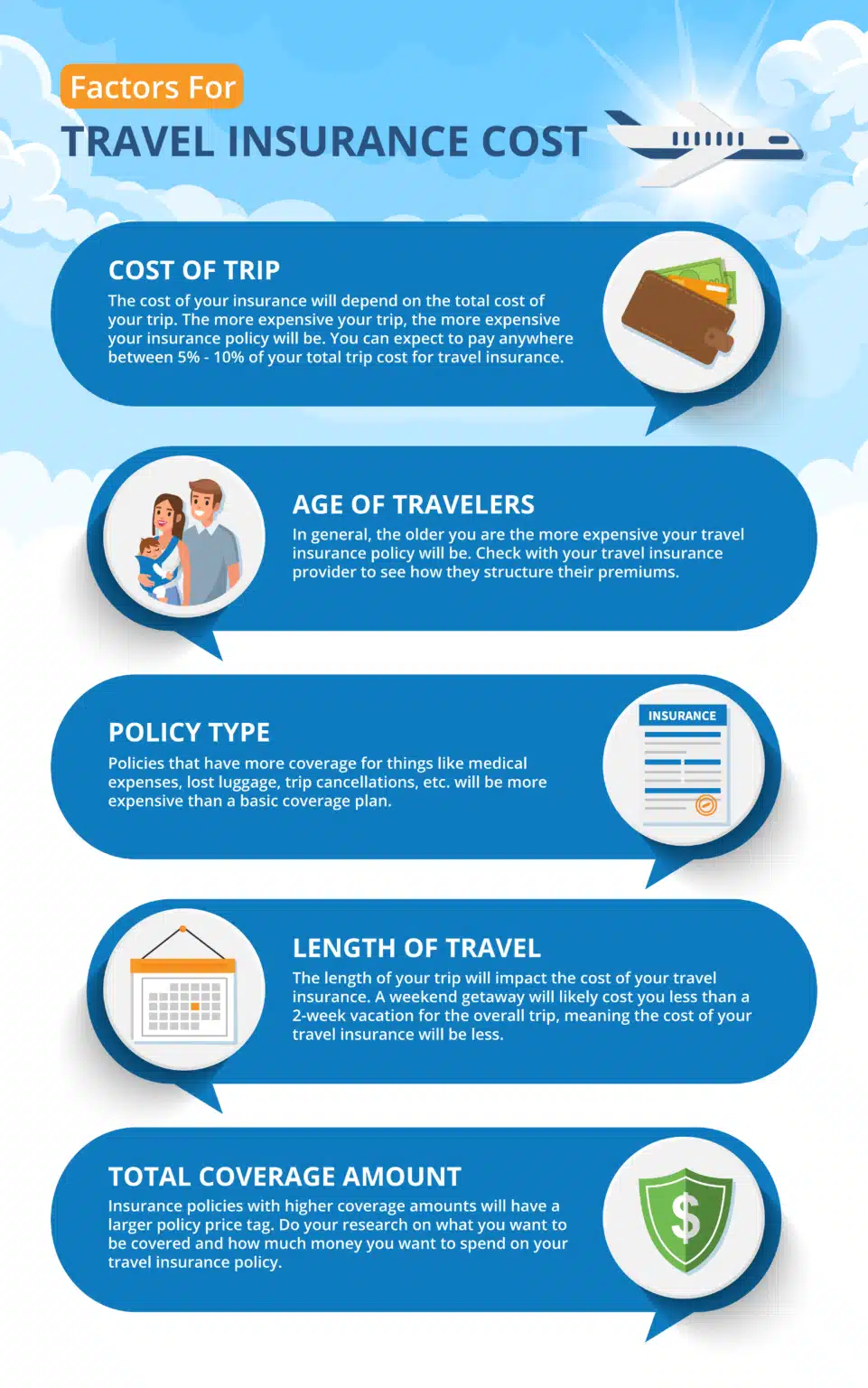
Image source: Bing (Web (fair-use with source credit))
This diagram breaks down the exact variables that feed into your premium calculation, from traveler age to destination risk levels. You’ll notice trip cost is the starting point, but it’s adjusted significantly by the other factors we’ll cover next. For example, a $5,000 trip for a 30-year-old to the UK might have a 5% risk factor, leading to a $250 premium.
The same trip for a 70-year-old with a pre-existing condition could have a 12% risk factor, leading to a $600 premium before add-ons.
The 7 Biggest Factors That Swing Your Final Premium
Every insurer weights these variables slightly differently, but these seven factors drive most of the price variation you’ll see when shopping for quotes:
- Total non-refundable trip cost: This is your baseline. Higher trip costs lead to higher premiums, all other factors equal.
- Traveler age: Travelers 65 and older pay 2 to 3 times more than 30-year-olds, as they have a higher risk of medical issues while traveling.
- Trip destination: Regions with high healthcare costs or elevated safety risks carry 15% to 30% higher premiums. This includes the U.S., EU, Japan, and high-risk travel destinations.
- Trip length: Trips longer than 21 days see a 10% or higher premium increase, as longer trips have a higher chance of a covered incident.
- Coverage maximum limits: Higher medical and evacuation limits add 20% to 40% to your premium. A policy with $500k evacuation coverage costs far more than one with $100k.
- Pre-existing conditions: A controlled pre-existing condition adds a 10% to 20% surcharge if you don’t have a pre-existing condition waiver. Purchasing the waiver within the eligibility window eliminates this surcharge entirely.
- Add-ons: Cancel For Any Reason (CFAR) adds 40% to 50% to your base premium. Adventure activity coverage for skiing or scuba diving adds 15% to 25%.
Average Premiums for Every Common Traveler Profile
Broad averages don’t help much when you’re trying to budget for your specific trip. The table below shows typical 2024 premium ranges for 7-day international trips, based on aggregate quote data from major U.S. travel insurance providers.
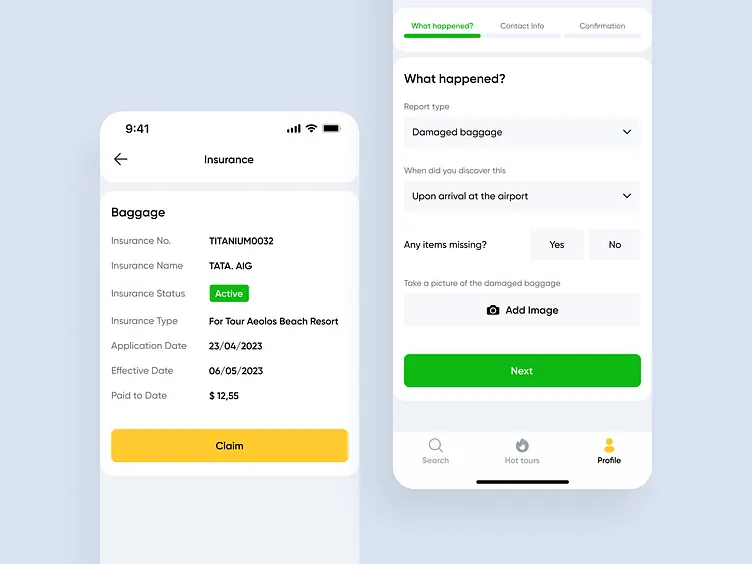
Image source: Bing (Web (fair-use with source credit))
This screenshot shows how the same trip produces drastically different prices for different profiles. Age and coverage tier are the biggest price drivers.
| Traveler Profile | 7-Day International Trip Premium (2024) | Typical Comprehensive Coverage Limits |
|---|---|---|
| 30-year-old, no pre-existing conditions, basic | $80–$150 | $50k emergency medical, $100k evacuation |
| 30-year-old, no pre-existing conditions, comprehensive | $120–$220 | $100k emergency medical, $500k evacuation |
| 65-year-old, no pre-existing conditions, comprehensive | $150–$300 | $100k emergency medical, $500k evacuation |
| 70-year-old with controlled pre-existing condition, comprehensive + waiver | $250–$450 | $100k emergency medical, $500k evacuation |
| Family of 4 (2 adults, 2 kids under 18), 14-day trip, comprehensive | $400–$700 | $100k emergency medical per person, $500k evacuation |
Family travelers often save money by bundling all members on one policy, rather than buying separate policies for each person. Kids under 18 are usually covered at no extra cost on family plans, making traveling with kids more affordable to insure. For frequent travelers taking 2 or more trips per year, annual multi-trip (AMT) policies cost $200 to $400 annually, which is cheaper than buying multiple single-trip policies.
Common Cost Mistakes That Leave You on the Hook for $10k+ Medical Bills
Most travelers overpay for useless coverage or underinsure themselves by cutting corners to save money. These are the most costly mistakes we see in claim denial data:
- Choosing the cheapest policy without reading exclusions: Low-cost policies often exclude pre-existing conditions, emergency medical evacuation, or high-risk activities. A $50 premium might seem like a bargain until you face a $70,000 medical bill abroad.
- Assuming credit card travel insurance is enough: Most credit cards only offer $10k to $25k in emergency medical coverage, far below the $50k to $100k needed for a serious illness or injury overseas. They also rarely cover trip cancellation or baggage loss.
- Skipping the pre-existing condition waiver: If you have a diagnosed medical condition, buying a policy without the waiver means any claim related to that condition will be denied. The waiver only applies if you purchase the policy within 10 to 30 days of your initial trip booking.
- Failing to calculate total trip cost correctly: Some insurers base premiums on 100% of your non-refundable trip costs, including flights, hotels, tours, and prepaid activities. Undervaluing your trip cost leads to insufficient coverage if you need to cancel.

Image source: Bing (Web (fair-use with source credit))
This photo illustrates the real-world consequence of underinsurance: a traveler facing unexpected out-of-pocket costs for a medical emergency abroad. The average emergency room visit in the EU costs $2,000 to $5,000, while a hospital stay for a serious condition can exceed $50,000. If your policy’s medical maximum is too low, you’ll pay the difference out of pocket.
For families, this risk is higher, as kids often face sudden illnesses like ear infections. Follow keeping kids safe while traveling tips to reduce risk, but always carry adequate coverage.
Single-Trip vs. Annual Multi-Trip: Which Option Saves You More Money Long-Term?
If you take 2 or more trips per year, an annual multi-trip (AMT) policy is almost always cheaper than buying separate single-trip policies. A single-trip policy for a 7-day international trip costs $100 to $200 on average. An AMT policy covering all trips for a year costs $200 to $400, which covers 2 to 4 trips for less than the cost of two single-trip policies.
Single-trip policies are better for one-off travelers or those taking a single expensive trip. They let you tailor coverage exactly to your trip’s length, cost, and risk factors. AMT policies are ideal for frequent travelers, digital nomads, or families that take multiple short trips per year.
Most AMT policies cover trips up to 30 days each, with some offering extensions for longer trips. They also include 24/7 emergency assistance, which is useful for last-minute travel changes.
Legal and Coverage Rules That Directly Impact Your Final Price
Several regulations and industry rules directly affect your premium and coverage eligibility. The first is the pre-existing condition waiver eligibility window: most insurers require you to purchase your policy within 10 to 30 days of your initial trip booking to qualify for the waiver. If you buy after that window, your pre-existing conditions will be excluded from coverage.
Second, destination-specific rules apply. If you travel to a country with a Level 3 or 4 U.S. State Department travel advisory, most policies will exclude all coverage for incidents related to the advisory.
Check official travel restriction lists before booking to avoid invalidating your policy. Third, visa requirements may mandate minimum coverage limits: Schengen visa applicants need at least €30,000 in emergency medical coverage, which can increase your premium if you choose a policy with higher limits.
Also, claim filing deadlines vary by state and insurer. Most require you to submit a claim within 90 to 180 days of the covered incident. Missing this deadline will result in a denied claim, no matter how valid your case is.
The U.S. Federal Trade Commission requires insurers to disclose all exclusions and deadlines clearly in policy documents, so always read the fine print before purchasing.
Expert Tips to Get Fair Pricing Without Sacrificing Critical Coverage
You don’t have to choose between affordable premiums and solid coverage. These tips will help you get a fair price without cutting essential protections:
- Compare quotes from at least 3 providers: Premiums for the same trip and profile can vary by 20% to 50% between insurers. Use comparison tools to find the best rate, but always verify coverage limits and exclusions match your needs.
- Buy early to qualify for pre-existing condition waivers: Purchasing your policy within 14 days of your initial trip booking usually eliminates the pre-existing condition surcharge and qualifies you for the waiver.
- Skip add-ons you don’t need: CFAR is only worth it if you’re booking a non-refundable trip and are at risk of canceling for a non-covered reason (like a work conflict). If standard trip cancellation coverage already covers your risks, skip the add-on to save 40% to 50% on your premium.
- Bundle policies for families: Family plans often cost less per person than buying individual policies for each adult. Kids under 18 are usually covered at no extra cost on family plans.
- Review your trip cost accurately: Include all non-refundable expenses, including flights, hotels, tours, prepaid activities, and cruise deposits. Undervaluing your trip cost leads to insufficient reimbursement if you need to cancel.
Real Cost Breakdowns for Popular 2024 Trip Types
Premiums vary widely based on the type of trip you’re taking. Here are typical 2024 cost ranges for common trip categories, based on aggregate quote data:
- 7-day domestic U.S. trip (30-year-old, comprehensive coverage): $40 to $80. Domestic trips have lower premiums because U.S. healthcare is covered by your domestic health insurance, so travel medical coverage is secondary.
- 7-day international trip to Schengen zone (30-year-old, comprehensive coverage): $90 to $180. Higher premiums cover the cost of emergency medical care in the EU, which averages $2,000 to $5,000 for an ER visit.
- 14-day family cruise trip (2 adults, 2 kids, comprehensive coverage): $300 to $600. Cruise insurance often includes trip cancellation for missed port departures and itinerary changes, which are common on cruises.
- 21-day adventure trip to Southeast Asia (30-year-old, comprehensive + adventure coverage): $150 to $300. Adventure coverage for activities like scuba diving or trekking adds 15% to 25% to the base premium, but is required for most high-risk activities.
To lower your premium, reduce your total trip cost using discounted travel booking strategies like off-peak dates or reward points. A 20% to 30% lower trip cost directly cuts your premium.
When to Pay More for Coverage (And When a Basic Policy Is Actually Enough)
Not every trip needs a comprehensive policy with $500k evacuation limits. Basic policies are enough for short, low-cost domestic trips where your domestic health insurance and credit card provide adequate coverage. For example, a 3-day weekend trip to a nearby city with all refundable bookings only needs basic trip cancellation coverage, which costs $20 to $40.
Pay more for comprehensive coverage if you’re taking an international trip, booking non-refundable expenses, traveling with pre-existing conditions, or visiting a region with high healthcare costs. Comprehensive policies include emergency medical, evacuation, trip cancellation, baggage loss, and travel delay coverage, which protects you from most common trip disruptions. For trips with expensive non-refundable bookings (like a $10,000 safari or cruise), CFAR add-ons are worth the extra cost if you’re at risk of canceling for a non-covered reason like a work conflict or family emergency.
2024 Travel Insurance Cost Cheat Sheet: Verified Ranges and Key Rules
Use this cheat sheet to quickly reference key cost ranges and rules when shopping for a policy. All data is accurate as of 2026.
| Metric | Verified Range / Rule |
|---|---|
| Average single-trip premium | 4% to 10% of total non-refundable trip cost |
| CFAR add-on cost | 40% to 50% of base premium |
| Pre-existing condition waiver eligibility window | 10 to 30 days after initial trip booking |
| Average 7-day international trip premium (30-year-old, comprehensive) | $120 to $220 |
| Average 7-day international trip premium (65-year-old, comprehensive) | $150 to $300 |
| Annual multi-trip premium range (1-2 travelers) | $200 to $400 per year |
| Minimum emergency medical coverage for Schengen visa | €30,000 (approx. $32,000) |
| Standard claim filing deadline | 90 to 180 days after covered incident |
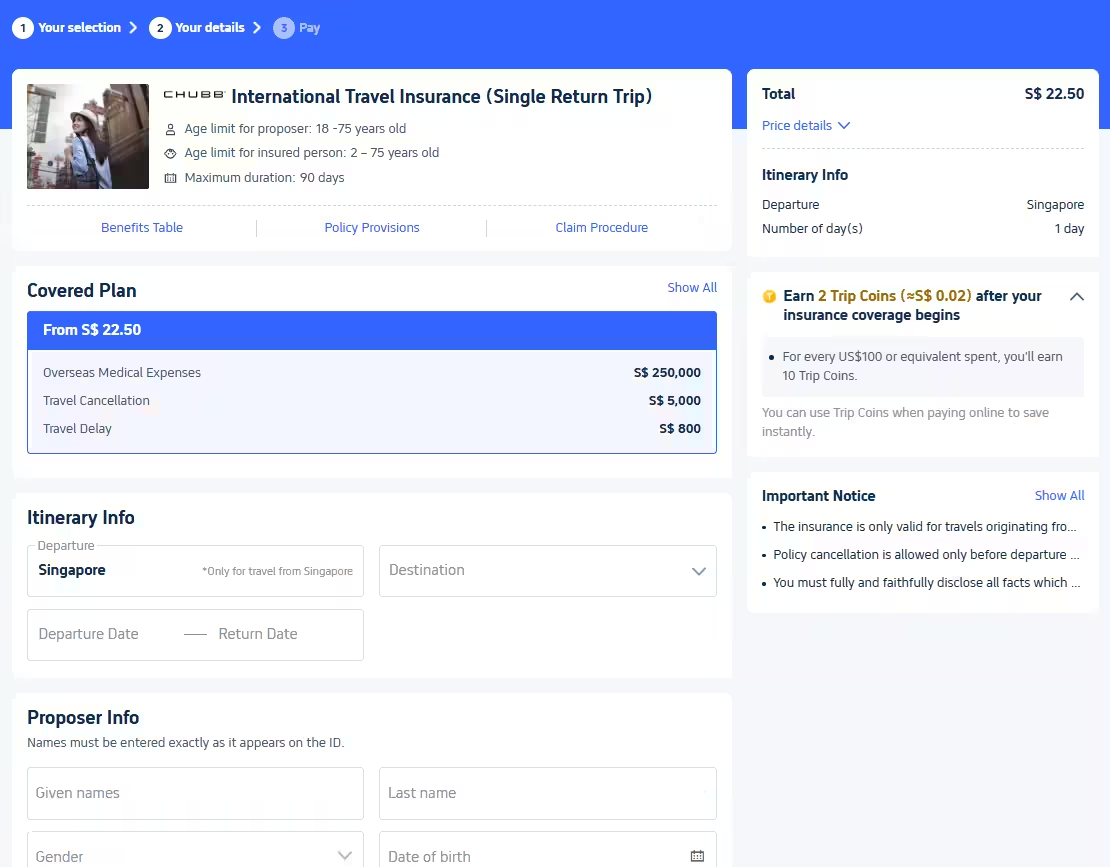
Image source: Bing (Web (fair-use with source credit))
This graphic highlights the critical 14 to 30 day post-booking window for pre-existing condition waivers. If you miss this window, you’ll pay a 10% to 20% surcharge or lose coverage for pre-existing conditions entirely. Always mark your calendar for the waiver deadline when you book your trip to avoid this costly mistake.
Frequently Asked Questions
How much does travel insurance cost for a $5,000 trip?
A $5,000 trip typically costs $200 to $500 to insure, depending on your age, destination, and coverage level. A 30-year-old with comprehensive coverage will pay on the lower end of that range, while a 70-year-old with pre-existing condition coverage will pay on the higher end.
Is travel insurance worth the cost?
Yes, for most travelers. The average cost of a trip cancellation is $1,200 per person, per the U.S. Travel Insurance Association.
A $200 premium can save you thousands if you need to cancel for a covered reason like illness, job loss, or a family emergency. It also covers emergency medical costs abroad, which can exceed $50,000 for a serious illness or injury.
Does age affect travel insurance cost?
Yes, significantly. Travelers 65 and older pay 2 to 3 times more than 30-year-olds for the same trip and coverage level. This is because older travelers have a higher risk of medical issues while traveling, which leads to more frequent and higher-cost claims.
Can I get travel insurance with a pre-existing condition?
Yes, but you’ll need to purchase a policy with a pre-existing condition waiver. Most insurers require you to buy the policy within 10 to 30 days of your initial trip booking to qualify for the waiver. Without the waiver, any claim related to your pre-existing condition will be denied.
Does travel insurance cover trip cancellation for any reason?
Standard trip cancellation only covers specific, listed reasons like illness, injury, job loss, or severe weather. Cancel For Any Reason (CFAR) is an add-on that covers cancellation for any reason, but it only reimburses 50% to 75% of your trip cost and costs 40% to 50% more than the base premium.
Real Cost Breakdowns for Popular 2024 Trip Types
Premiums vary sharply by trip type. A 7-day domestic U.S. trip costs $40 to $80. A 7-day Schengen zone trip costs $90 to $180, due to high EU healthcare costs.
A 21-day Southeast Asia adventure trip with scuba coverage costs $150 to $300.
When to Pay More for Coverage (And When a Basic Policy Is Actually Enough)
Basic policies fit short, low-cost domestic trips with refundable bookings, costing $20 to $40. Pay more for comprehensive coverage for non-refundable international trips, pre-existing conditions, or high-cost healthcare regions. CFAR add-ons are only worth it for high-value trips where you risk canceling for non-covered reasons.
2024 Travel Insurance Cost Cheat Sheet: Verified Ranges and Key Rules
Use this 2024 quick reference for core cost rules. The table below lists verified ranges from U.S. Travel Insurance Association benchmarks.
Image source: Bing (Web (fair-use with source credit))
Mark the 10 to 30 day post-booking waiver window to avoid surcharges.
Frequently Asked Questions
How much does travel insurance cost for a $5,000 trip?
A $5,000 trip costs $200 to $500 to insure, per 2024 data. Older travelers with pre-existing conditions pay the higher end of that range.
Is travel insurance worth the cost?
Yes, for most travelers. The average trip cancellation costs $1,200 per person, per the U.S. Travel Insurance Association.
A $200 premium can reimburse that, plus cover $50,000+ in emergency medical costs abroad.
Does age affect travel insurance cost?
Yes. Travelers 65 and older pay 2 to 3 times more than 30-year-olds for identical coverage, due to higher medical claim risk.
Can I get travel insurance with a pre-existing condition?
Yes, if you buy a policy with a pre-existing condition waiver within 10 to 30 days of your initial trip booking. Without the waiver, all related claims will be denied.
How to File a Travel Insurance Claim Successfully
Notify your insurer immediately after a covered incident. Gather receipts, medical records, police reports for theft, and trip cancellation proof. Submit your claim within 90 to 180 days of the event.
Late filings are denied automatically per standard policy terms.
What to Do If Your Claim Is Denied
Review the denial reason first. Most denials stem from non-disclosed pre-existing conditions or missed filing deadlines. Appeal with additional documentation, or contact your state insurance department if the denial violates policy terms.
Keep all claim correspondence for your appeal.
Travel Insurance for High-Risk Travelers and Special Trips
Seniors, travelers with pre-existing conditions, and adventure travelers pay higher base premiums. Always disclose all medical conditions and planned activities upfront. Add an adventure rider for scuba, skiing, or mountaineering, as standard policies exclude these high-risk activities.
Can You Cancel or Modify Your Policy After Purchase?
Most insurers allow free cancellations within 10 to 14 days of purchase if no claims are filed. Modifications after that window may incur a 10% to 20% fee. Pre-existing condition waivers cannot be added after the eligibility deadline, so verify all details before buying.
Final Verdict: Is Travel Insurance Worth the Cost?
Yes, for most travelers. A low premium protects against tens of thousands in uncovered medical, cancellation, or baggage costs. Skip it only for short, low-cost domestic trips with fully refundable bookings and sufficient existing credit card or health insurance coverage.