What Countries are Not Safe to Travel to: Travel Alert
Imagine packing your bags for an exciting vacation, only to discover that your chosen destination isn’t as safe as you thought. As a traveler, your safety should be a top priority.
But how do you know which countries pose a risk? This guide will help you navigate the uncertain waters of global travel. It’s essential to be informed about places that might jeopardize your well-being. What if the vibrant cityscape hides unseen dangers?
Or that picturesque beach is a hotspot for crime? With insider insights, you’ll uncover the surprising realities behind seemingly idyllic destinations. So, before you book your next adventure, arm yourself with knowledge. Your safety depends on it. Dive in to learn more about the countries you should be cautious about. Your next decision could be a life-saver.
Current Global Safety Concerns
Traveling the world offers exciting experiences and adventures. Yet, safety concerns can affect your travel plans. Some countries face challenges like political unrest or natural disasters. Knowing where is unsafe can protect you. It also helps you plan better trips. Understanding global safety concerns is vital.
Political instability can make travel unsafe. Conflicts often lead to sudden violence. Countries with unstable governments may experience protests. These events might turn dangerous quickly. Travelers should stay informed about current events. It’s wise to avoid places where political unrest is high.
Natural Disasters
Natural disasters can disrupt travel plans. Earthquakes and hurricanes cause damage and chaos. Floods and wildfires can make areas hazardous. Countries prone to these events may not be safe. Always check weather reports before planning your trip. Consider travel insurance for unexpected disasters.
Some countries pose health risks to travelers. These risks include diseases and lack of medical care. Areas with poor sanitation can spread illnesses. Vaccinations might be necessary before visiting certain regions. Travelers should consult health professionals for advice. Protecting health is crucial when traveling abroad.
Crime Rates
High crime rates can make countries unsafe. Some places have issues with theft or violence. Tourists are often targets in high-crime areas. Research crime statistics for potential travel destinations. Choose places with lower crime rates for safer travel experiences.

Credit: www.statista.com
Political Instability
Traveling offers adventure and learning. But political instability can put travelers at risk. Countries with unrest can be unpredictable. This affects safety and wellbeing. Knowing which countries face political instability helps in planning safe trips.
Countries With Civil Unrest
Some countries face civil unrest due to political issues. These unrests can lead to protests and violence. Venezuela experiences economic turmoil and political protests. The situation remains tense. Sudan struggles with political power shifts. This leads to demonstrations and conflicts. Haiti faces political instability and poverty. Violent protests disrupt daily life.
Regions With Ongoing Conflicts
Conflicts create unsafe travel zones. Syria remains impacted by a prolonged civil war. The conflict affects safety. Yemen faces humanitarian crises and ongoing battles. The danger level is high. Afghanistan’s political situation remains unstable. Violence continues despite peace efforts. These regions are risky for travelers.
High Crime Rates
Traveling can be a thrilling adventure, but safety should always be a top priority. High crime rates can turn a dream vacation into a nightmare. Being aware of countries with increasing crime statistics can help you make informed decisions about your travel plans. Below, we explore nations and cities where crime is a significant concern, helping you navigate your next journey more safely.
Nations With Increasing Crime Statistics
Some countries have been grappling with rising crime rates, making them less ideal for travelers. Venezuela, for example, consistently ranks high on global crime indexes. Economic instability and political unrest contribute to a growing environment of theft and robbery.
Another country, Honduras, struggles with gang violence, which often spills into public areas. Tourists have been caught in the crossfire, making it a risky destination. Brazil, with its vibrant culture, also faces challenges with crime, particularly in urban areas.
Is it worth risking your safety for a trip? Understanding these statistics can help you weigh your options and choose destinations where you feel secure.
Cities Known For Violent Crime
Within countries, certain cities are notorious for violent crime. Caracas, Venezuela, often tops the list for its high homicide rates. The lack of effective law enforcement makes it a dangerous place for tourists.
In Brazil, Rio de Janeiro’s favelas are infamous for their crime levels. Although the beaches are beautiful, the risks of muggings and assaults can overshadow the city’s natural allure.
San Pedro Sula in Honduras is another city where violent crime is rampant. It has been dubbed one of the most dangerous cities in the world. Would you feel comfortable walking these streets, knowing the risks involved?
Choosing where to travel is a personal decision, but awareness is key. Always research crime statistics and stay informed to protect yourself. After all, your safety is priceless.
Credit: www.newsweek.com
Health Risks
Traveling opens doors to new cultures and experiences. Yet, health risks can spoil an adventure. In some countries, these risks can be significant. It is crucial to know where these dangers lurk. Understanding health risks helps protect travelers. Avoiding unsafe regions keeps journeys enjoyable.
Areas With Epidemic Outbreaks
Some countries suffer from frequent epidemic outbreaks. These outbreaks pose a serious threat to travelers’ health. Diseases like malaria, dengue, or Zika can spread quickly. Africa and parts of Southeast Asia often face such challenges. Staying informed about these outbreaks is essential. Vaccinations and preventive measures can help reduce risks. Always check health advisories before booking a trip.
Regions With Poor Healthcare Infrastructure
In some areas, healthcare infrastructure is lacking. This makes it hard to get treatment if needed. Remote regions might not have hospitals or skilled doctors. Countries with economic struggles might also face this issue. Travelers should be cautious in such destinations. Carrying a first-aid kit can be a lifesaver. It ensures basic care in case of emergencies. Research local healthcare options before traveling.
Terrorism Threats
Traveling to new places is thrilling. Yet, not all destinations are safe. Some countries face terrorism threats. These threats make travel risky. Understanding these threats is crucial. It helps you plan safe trips. Let’s explore countries with frequent attacks. Then, we’ll discuss high-risk zones for tourists.
Countries With Frequent Attacks
Some countries have regular terrorist incidents. Afghanistan experiences frequent bombings. These attacks target public places. Iraq also faces similar threats. Terrorist groups operate actively there. Syria remains unstable. Conflict increases terrorism risks. Nigeria struggles with Boko Haram attacks. They often target local communities. Somalia faces threats from Al-Shabaab. Attacks occur regularly in the capital.
High-risk Zones For Tourists
Tourists should avoid certain areas. In Afghanistan, Kabul is risky. Bombings happen frequently. Baghdad in Iraq is dangerous. Terrorist groups target busy areas. Damascus in Syria poses high threats. Violence is rampant. Northern Nigeria has unsafe regions. Boko Haram operates there. Mogadishu in Somalia remains perilous. Attacks are common in public spaces.
Travel Advisories And Warnings
Traveling is an adventure. Yet, safety is essential. Some countries are not safe for travelers. Governments issue advisories to guide us. These advisories highlight risks like political unrest or natural disasters.
Such warnings help us avoid potential dangers. Staying informed can protect travelers from harm. Let’s explore these advisories further.
Government Issued Alerts
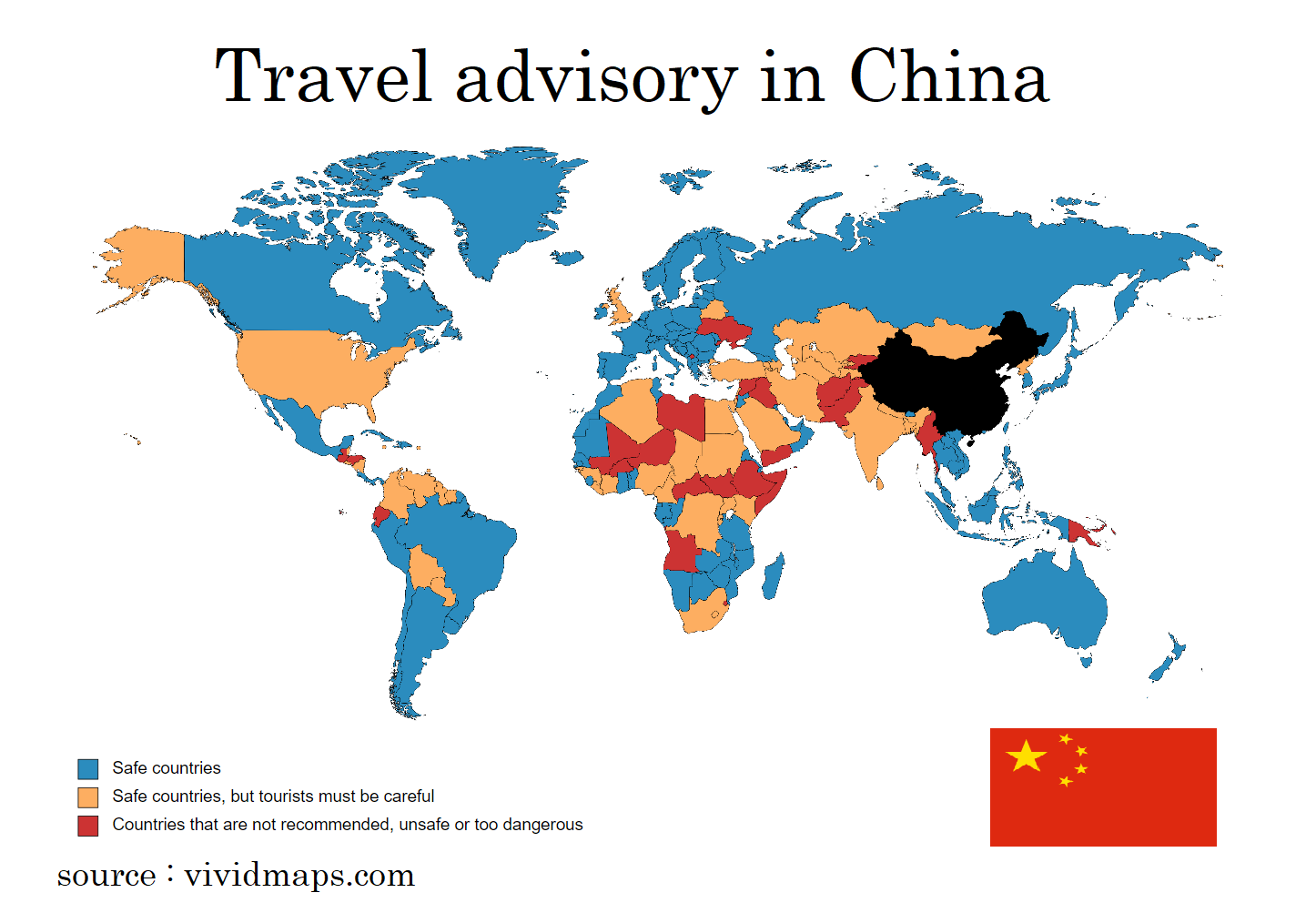
Governments issue alerts for their citizens. These alerts share safety information. They classify countries by risk level. Some countries may be labeled high-risk. Others might be deemed moderate or low-risk.
These alerts help you make informed decisions. Always check your government’s travel website. Stay updated on new advisories or changes.
International Travel Warnings
International organizations also issue travel warnings. These warnings are for travelers worldwide. They focus on global safety concerns. The World Health Organization might issue alerts for diseases. The United Nations often warns about conflict zones.
Such warnings are vital. They keep travelers informed about global risks. Always consider these warnings before booking trips. Safety should always be a priority.
Tips For Safe Travel
Some countries currently face instability and conflict, making them risky travel destinations. Research thoroughly to avoid regions with safety concerns. Prioritize places with reliable safety records to ensure a secure trip.
Planning a trip to a country with safety concerns can be daunting. However, by following some practical tips, you can enhance your safety while traveling. Being prepared is key, and knowing what to do in potentially risky situations can make all the difference.Staying Informed
Stay updated on the latest news about your destination. Check travel advisories from reliable sources like government websites. Before my trip to a country with a recent political unrest, I set up news alerts to stay informed about any changes. This helped me adjust my travel plans accordingly and avoid certain areas. Wouldn’t you want to avoid unnecessary risks by simply staying informed?Emergency Contacts And Resources
Before you leave, compile a list of emergency contacts. Include local emergency numbers, your country’s embassy, and contacts for trusted local friends or acquaintances. Having a printed copy of this list in your travel bag can be a lifesaver in unexpected situations. During a trip, a fellow traveler found herself in a bind but was able to quickly contact her embassy for assistance thanks to her pre-prepared list. Have you ever considered how crucial it is to have a safety net while exploring new territories? Being proactive about your safety when traveling to countries with safety concerns can significantly enhance your travel experience. By staying informed and having emergency contacts at your fingertips, you can focus on enjoying the adventure while staying safe.
Credit: www.reddit.com
Frequently Asked Questions
What Countries Are Not Safe For Tourists?
Countries like Afghanistan, Syria, Yemen, and Somalia are currently considered unsafe for tourists. Travel advisories often highlight risks in these areas due to conflict, terrorism, and civil unrest. Always check the latest government travel advisories before planning your trip.
Where Should Us Citizens Not Travel?
US citizens should avoid traveling to countries with high crime rates, political instability, or health risks. Check the U. S. State Department’s travel advisories for updates. Popular cautionary destinations include North Korea, Syria, and Afghanistan. Safety should always be a priority when planning international travel.
What Countries Are Avoided By The Us Security Clearance?
The US security clearance generally avoids countries with high-risk security concerns, including North Korea, Iran, China, Russia, and Syria. Visiting or having ties to these nations can impact clearance eligibility. Always check official guidelines for the most current information.
What Is A Level 4 Travel Warning In The Usa?
A Level 4 travel warning by the USA advises against travel due to severe safety risks. It indicates life-threatening conditions in the destination, such as conflict, terrorism, or natural disasters. Travelers are urged to reconsider their plans and stay informed about potential dangers.
Conclusion
Travel safety varies across countries. Stay informed before you plan trips. Research current news and government advisories. They provide crucial updates. Personal safety should always be the priority. Avoid risky areas to ensure a pleasant journey. Reliable travel insurance is essential.
It offers peace of mind. Remember, safe travel begins with informed choices. Always be cautious and aware of surroundings. Enjoy your travels wisely and safely. Your adventure awaits, but safety first. Stay smart, stay safe, and explore responsibly. The world is beautiful, but caution is key.
Happy and safe travels to you!