

How to Choose Travel Power Adapters: Expert Tips
Picture this: you’re in a charming café in Paris, ready to capture the perfect shot of your croissant and coffee, only to find your phone battery dwindling. You reach for your charger, but wait…
The plug doesn’t fit! Traveling can be an exhilarating experience, but without the right power adapter, you might find yourself disconnected from the world. Choosing the right travel power adapter is more than just a packing essential—it’s your lifeline to staying powered up abroad.
This guide will walk you through the must-know tips and tricks to ensure you pick the perfect adapter for your travels. Say goodbye to the frustration of mismatched plugs and hello to seamless connectivity. Ready to power up your travel game? Keep reading to find out how.
Understanding Plug Types
Choosing the right travel power adapter ensures your devices stay charged abroad. Different countries use different plug types. Research your destination’s plug type to avoid compatibility issues.
Traveling can be thrilling, but encountering a different plug type can quickly become a hassle. Understanding plug types is essential to ensure your gadgets stay charged and ready. Imagine arriving in a new country and realizing your charger doesn’t fit the socket. By familiarizing yourself with plug types, you can avoid these inconveniences and focus on enjoying your travels. Let’s dive into the specifics of plug types and make your next trip a breeze.
Common Plug Types Worldwide
Plug types vary across the globe, and knowing the common ones can save you time and stress. The most widely used are Types A, B, C, D, E, and F. – Type A: Two flat parallel pins, found in North and Central America. – Type B: Similar to Type A but with an added grounding pin, also common in North and Central America. – Type C: Two round pins, often seen in Europe, South America, and Asia. – Type D: Three round pins in a triangular pattern, used mainly in India and some African countries. – Type E & F: Two round pins with a grounding pin, prevalent in Europe. You might wonder, why so many types? Each was developed based on regional needs and safety standards.
Identifying Your Destination’s Plug Type
Before packing your bags, check the plug type of your travel destination. This simple step will save you from the frustration of incompatible plugs. Use online resources or apps to quickly find the plug type for any country. Most travel guides also include this information. If you’re visiting multiple countries with different plug types, consider a universal adapter. It’s a compact solution that allows you to charge your devices no matter where you are. Have you ever found yourself in a foreign country unable to charge your phone? It’s a common travel hiccup that can be easily avoided with a little preparation. Remember, being prepared means more time to explore and less time hunting for adapters. What plug type does your next destination use? Check and see if you’re ready for an electrifying journey!
Voltage And Frequency Considerations
Choosing the right travel power adapter ensures your devices work safely abroad. Consider voltage and frequency differences in each country. These factors determine compatibility and prevent potential device damage.
Choosing the right travel power adapter can make or break your trip. It’s not just about fitting the plug into the socket; understanding voltage and frequency considerations is crucial for your devices to function correctly and safely. Imagine being in a foreign country, ready to capture a breathtaking view with your camera, only to find it’s not charging properly. Knowing these technical details can prevent such frustrating situations.
Voltage Variations Across Countries
Different countries have different voltage standards. While the US uses 120 volts, many European countries operate on 220-240 volts. This difference means your device could be at risk of damage if you plug it in without checking compatibility. Before you travel, look up the voltage standard of your destination. You can usually find this information online or on your device’s charger. If you’re unsure, consider buying a dual voltage adapter. These are designed to handle varying voltages, safeguarding your electronics wherever you are.
Frequency Differences
Frequency is another key factor that travelers often overlook. The US uses a frequency of 60 Hz, whereas parts of Asia and Europe typically use 50 Hz. This might sound technical, but it affects how well your devices function. Have you ever noticed your clock running faster or slower in another country? That’s frequency at play. While most modern devices are adaptable, older or sensitive gadgets might need special attention. Check your device’s specifications to see if it supports both frequencies. If not, you might need a converter along with your adapter. Travel adapters vary widely, but focusing on voltage and frequency will help you choose wisely. Have you ever experienced a surprise with your electronics abroad? Share your story in the comments and help others learn from your experience.
Types Of Power Adapters
Choosing travel power adapters involves understanding plug types and voltage compatibility. Consider universal adapters for worldwide use. Check the voltage requirements of your devices to avoid damage while traveling.
Choosing the right travel power adapter can be the difference between a seamless trip and a frustrating one. Power outlets differ from country to country, and having the right adapter ensures your gadgets stay charged. With so many types available, which one is best for your travels?
Universal Adapters
Universal adapters are a great choice for globetrotters visiting multiple countries. They come with various plug types to suit different regions. Imagine you’re on a European tour: a universal adapter will keep your phone charged in Paris, Berlin, and Rome without the need for multiple adapters. These adapters are compact and versatile. Most include USB ports, allowing you to charge multiple devices at once. However, they can be a bit bulky. Consider whether the convenience outweighs the extra space in your luggage.
Single Region Adapters
Single region adapters are ideal if your travel plans focus on one specific area. They are smaller and often more reliable for consistent power supply. If you’re heading to Australia, a single region adapter specifically designed for Australian outlets might be all you need. These adapters are lighter and easier to pack. They eliminate the hassle of dealing with unnecessary plug types. However, if you plan to visit multiple countries, carrying several single region adapters could be cumbersome.
Surge Protection Features
Surge protection is a crucial feature to look for in any adapter. It safeguards your devices against voltage spikes, which are common in many countries. A friend once had a laptop fried in a power surge in Thailand, and it wasn’t a pleasant experience. When choosing an adapter, check for built-in surge protection. Some adapters even have indicators to show protection status. It’s a small step that can save you from costly repairs or replacements. What’s your next adventure? Whether it’s a short trip or a long journey, ensuring you have the right power adapter is key. Consider your travel plans, weigh the options, and make an informed choice. Your devices—and your peace of mind—will thank you.
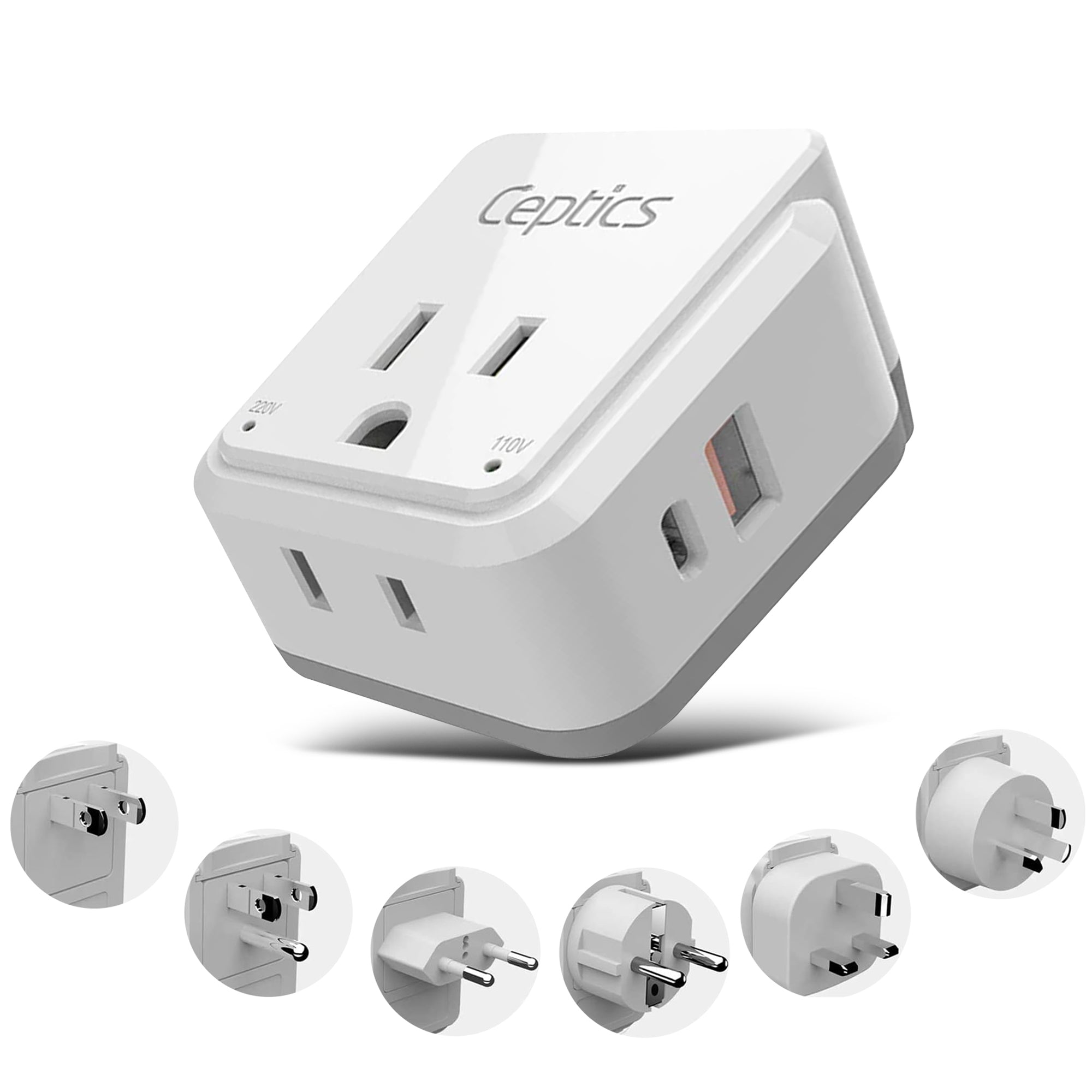
Credit: www.ceptics.com
Choosing Based On Device Needs
Travel adapters are essential for every global traveler. The right adapter ensures your devices stay charged. Different countries use different plug types. Your devices have specific power needs. Understanding these needs helps you choose the right adapter.
Power Requirements Of Devices
Every device has unique power requirements. Check the wattage and voltage on your device. This information is usually on the device or its charger. Some devices need more power than others. For example, laptops often need more power than phones. Make sure your adapter can handle the required power.
Dual Voltage Devices
Some devices support dual voltage. They can work with different voltages found worldwide. Check if your device is dual voltage. This is often marked as “110-240V” on the device. Dual voltage devices are convenient for travel. They reduce the need for additional equipment. If your device is not dual voltage, consider a voltage converter.
Safety And Certification
When choosing travel power adapters, safety and certification should be your top priorities. A reliable adapter ensures your devices are protected and that you comply with international standards. However, finding one can be tricky, especially when faced with numerous options. Focusing on safety and certification can help you make a smart choice.
Recognizing Certified Adapters
Certified adapters come with labels such as CE, UL, or FCC. These certifications guarantee that the product meets international safety standards. Look for these markings before purchasing.
Be wary of counterfeit products; they often lack genuine certification marks. A quick online search can reveal more about the certification symbols to recognize.
Do you have an adapter without certification? Consider upgrading it. The peace of mind is worth the investment.
Safety Precautions
Proper usage is key to avoiding mishaps. Always check the voltage and plug compatibility of your adapter with the destination country.
Inspect your adapter for any damage before use. A frayed cord or loose plug can be a safety hazard.
Never overload your adapter by plugging in multiple high-powered devices. This can lead to overheating and potential fire risks.
Have you ever experienced an adapter failure while traveling? Share what you’ve learned and help others avoid similar situations.
Choosing the right travel power adapter can make or break your trip. By prioritizing safety and certification, you protect your devices and ensure a hassle-free journey. Keep these insights in mind next time you’re on the hunt for the perfect adapter.
Portability And Design
Choosing travel power adapters requires attention to portability and design. Compact adapters fit easily into luggage, saving space. Sleek designs offer easy handling and compatibility with various outlets worldwide.
When you’re on the go, the last thing you want is to lug around heavy, bulky travel adapters. That’s why portability and design are crucial factors when choosing the right travel power adapter. The perfect adapter should seamlessly fit into your travel routine, making it hassle-free to charge your devices wherever you are.
Compact Design For Travel
A compact design can make a world of difference when packing your travel bag. Imagine standing at the airport security line, juggling your carry-on, and trying to find space for your oversized adapter. Opting for a sleek, compact model means you can easily slip it into your bag or even your pocket. Look for adapters that fold up neatly or have retractable plugs. These designs save space and prevent damage to the prongs. How much time do you waste untangling cables and cords? A design that minimizes clutter can save you precious minutes.
Weight And Durability
Lightweight adapters are a traveler’s best friend. Every ounce counts when you’re trying to avoid excess baggage fees. A lighter adapter won’t weigh you down as you trek through airports or explore new destinations. But don’t compromise durability for weight. You need an adapter that can withstand the bumps and knocks of travel. Consider materials like reinforced plastic or aluminum, which offer a good balance of lightness and sturdiness. Have you ever had an adapter break mid-trip? A durable design ensures your adapter keeps working, even if it’s tossed around in your suitcase. Check reviews and ratings for insights into real-world performance. A durable, lightweight travel adapter can be your trusty companion on countless adventures. In choosing an adapter, it’s essential to weigh these elements. After all, the right blend of portability and design ensures you’re always powered up, without any added stress. What features do you prioritize in your travel gear?
Budget Considerations
Choosing the right travel power adapter requires careful budget planning. Consider the types of devices you need to charge. Compare different models for compatibility and cost.
Choosing the right travel power adapter can often feel like a daunting task, especially when you are on a budget. You might wonder if spending more guarantees better performance or if you can save a few bucks without sacrificing quality. It’s essential to strike a balance, ensuring you have a reliable adapter that doesn’t break the bank. Let’s explore how you can make budget-friendly choices without compromising on quality.
Balancing Cost And Quality
When considering travel adapters, it’s tempting to opt for the cheapest option available. However, a low price tag often means compromises in durability and safety features. Imagine your adapter failing mid-trip, leaving you without the means to charge your essential devices. On the other hand, the most expensive adapter isn’t always the best fit for your needs. You might be paying for features you’ll never use. Look for adapters that have essential features like surge protection and compatibility with multiple plug types. To find a balance, compare reviews and ratings of different adapters in your price range. Pay attention to what users say about their durability and ease of use. An adapter with a higher upfront cost can sometimes save you money in the long run, as you won’t need to replace it frequently.
Long-term Investment In Travel Adapters
Consider travel power adapters as an investment. A well-made adapter can serve you for years, accompanying you on countless adventures. Instead of constantly buying cheap adapters that may fail, investing in a reliable one can save you both money and hassle over time. For instance, I once bought a basic adapter for a trip to Europe, thinking I’d only use it for a few weeks. It ended up failing on the second day. I had to spend valuable time finding a replacement, which cost more than if I had initially chosen a quality product. Think about how often you travel and to which countries. If you’re a frequent traveler, it’s worth investing in a universal adapter with robust features. It might seem costly upfront, but the peace of mind and reliability it offers are invaluable. Finally, ask yourself: Is it worth risking your expensive electronics with a flimsy adapter? Sometimes spending a little more initially can prevent costly repairs or replacements later. By considering these budget aspects, you ensure that your travel power adapter is both a practical and financially sound choice.

Credit: www.walmart.com
Eco-friendly Options
Traveling is exciting. But, it can impact the environment. Choosing eco-friendly travel power adapters helps reduce this impact. These adapters are designed to be kind to the planet. They use less energy and are made from sustainable materials. They are smart choices for eco-conscious travelers.
Sustainable Materials
Sustainable materials are better for the Earth. Many eco-friendly adapters use recycled plastics. This reduces waste and saves resources. Some are made with biodegradable materials. These break down naturally and are less harmful to nature. Choosing adapters made from these materials is a responsible choice.
Energy Efficiency
Energy-efficient adapters save power. They work effectively without wasting electricity. This helps reduce your carbon footprint. Look for adapters with energy-saving features. These often have smart sensors. They adjust power use based on your device’s needs. Energy efficiency is a key factor in eco-friendly adapters.
User Reviews And Recommendations
When picking the right travel power adapter, user reviews and recommendations play a crucial role. They provide real-world insights that can be more valuable than any product description. But how do you sift through the noise and find the advice that truly matters?
Analyzing Customer Feedback
Customer feedback is a treasure trove of information. Focus on reviews that discuss the adapter’s performance over time, not just initial impressions. A review that mentions how an adapter performed in multiple countries can be particularly useful.
Look for patterns in the feedback. If many users mention an adapter’s durability or ease of use, that’s a promising sign. However, if several reviews highlight a common issue, it might be a red flag.
Ask yourself: does the feedback align with your needs? If a user praises an adapter for its lightweight design, but you need something more robust, it might not be the right choice for you.
Top Recommended Brands
Some brands consistently receive top ratings from travelers. Anker, for example, is often praised for its reliability and compact design. Many users appreciate its ability to charge multiple devices efficiently.
Another popular choice is BESTEK. Known for its robust build and versatility, it’s a favorite among those who frequent countries with different voltage standards. Users often highlight its safety features, which is crucial for peace of mind.
Ceptics is also a name that comes up frequently in user recommendations. It’s celebrated for offering a wide range of plug types and a budget-friendly price point. Many travelers find it perfect for quick, short trips.
When choosing a brand, consider what previous users emphasize. Do they value portability or functionality? This insight can guide you toward an adapter that suits your travel style.
Have you ever regretted ignoring user reviews before a purchase? Let these experiences shape your buying decisions for your next travel adventure!

Credit: www.amazon.com
Frequently Asked Questions
How To Choose The Right Travel Adapter?
Check the plug type used in your destination country. Ensure the adapter supports voltage compatibility. Choose a versatile, compact design for multiple devices. Look for built-in USB ports for added convenience. Prioritize safety features like surge protection and durability.
How Do I Know What Power Adapter To Buy?
Check device specifications for voltage and current. Match adapter output to device requirements. Ensure connector compatibility. Consult manufacturer’s recommendations.
What Type Of Travel Adapter Do I Need?
Determine the plug type used in your destination country. Choose an adapter that matches the local socket. Consider a universal travel adapter for multiple destinations. Check voltage compatibility to avoid device damage.
How Many Watts Should My Travel Adapter Be?
Choose a travel adapter with at least 2000 watts. Check your device’s wattage requirements to ensure compatibility. Always opt for a universal travel adapter for versatility.
Conclusion
Choosing the right travel power adapter saves hassle during trips. Consider the plug type and voltage of your destination. Compact adapters fit easily in luggage and are convenient. Check for dual voltage devices to avoid damage. Multi-port adapters charge multiple devices at once.
Quality matters; invest in reliable brands. Avoid cheap options that might fail. Read reviews before buying for better assurance. Always pack an adapter to stay connected. Travel becomes smoother with proper preparation. Happy travels!