

Can Kids Travel: Essential Tips for Safe Adventures
Have you ever wondered if kids can travel and enjoy the world just as much as adults do? The answer is a resounding yes, and it’s more possible than you might think.
Imagine the joy on your child’s face as they explore new places, taste different foods, and meet people from diverse cultures. Traveling with kids not only broadens their horizons but also creates unforgettable family memories that you will cherish forever.
You’ll discover how to make traveling with kids not only feasible but enjoyable for everyone involved. We’ll dive into practical tips, debunk common myths, and inspire you to pack your bags and embark on adventures with your little ones. Whether you’re a seasoned traveler or planning your first family trip, you’ll find valuable insights that will make your journeys smooth and stress-free. Let’s explore how traveling can be a fun, educational, and enriching experience for your entire family.
Benefits Of Traveling With Kids
Traveling with kids offers many benefits that enrich their lives. It provides unique experiences that are both fun and educational. Families can strengthen their bonds and create lasting memories. Let’s explore some key benefits of traveling with kids.
Educational Opportunities
Traveling opens up a world of learning for children. They encounter new places and learn about history. Visiting museums can spark curiosity about science and art. Children see things firsthand, making learning exciting. They can also practice new languages in different countries. Real-world experiences enhance what they learn in school.
Family Bonding
Traveling strengthens family connections. Shared adventures create stories to remember. Families spend quality time away from daily routines. They solve problems together and share laughs. Traveling teaches kids about teamwork and patience. It’s a chance for parents to learn more about their children’s interests.
Cultural Awareness
Children experience new cultures while traveling. They taste different foods and see diverse lifestyles. Meeting people from various backgrounds broadens their minds. Kids learn to respect and appreciate differences. This awareness helps them grow into open-minded adults. Understanding cultures fosters empathy and global citizenship.
Planning A Safe Trip
Children can travel safely with proper planning. Choose destinations with child-friendly activities and accommodations. Ensure health and safety checks are in place to protect young travelers.
Planning a safe trip with kids requires careful consideration. Safety and enjoyment should be your top priorities. Children have unique needs and interests, so tailor your travel plans accordingly. Start by thinking about destinations, activities, and accommodations. This ensures that your trip is both fun and secure for everyone involved.
Choosing Kid-friendly Destinations
Select destinations that cater to children’s interests. Look for places with family-friendly attractions. Parks, museums, and zoos can captivate young minds. Check if the destination has activities suitable for various age groups. Safety is crucial, so research local health guidelines and facilities.
Creating A Detailed Itinerary
A detailed itinerary helps maintain structure during your trip. Include activities that interest your kids. Balance sightseeing with rest periods. This keeps kids energized and engaged. Always have backup plans for unexpected changes. Flexibility is key.
Setting Realistic Expectations
Set realistic expectations to ensure a smooth trip. Understand your child’s limits and plan accordingly. Long travel days can be tiring for young children. Break up travel time with interactive activities. Manage expectations and be prepared for surprises. `
Packing Essentials For Kids
Traveling with kids can be a joyful adventure. But, it requires some planning. Packing essentials for kids ensures a smooth journey. Each item in your bag plays a crucial role. It helps keep your child comfortable and entertained.
These essentials reduce travel stress. They help make the experience enjoyable for everyone. Consider clothing, toys, and snacks as top priorities.
Comfortable Clothing
Comfort is key during travel. Choose soft, breathable fabrics for your kids. Pack layers for changing weather conditions. Include a light jacket and a hat. This keeps them cozy in different climates.
Don’t forget extra clothes. Accidents can happen. Having a spare set prevents discomfort.
Travel Toys And Entertainment
Keep your kids entertained during long journeys. Pack their favorite travel toys. Books, coloring supplies, and puzzles are great choices. Consider downloading some kid-friendly apps or shows on a tablet.
Interactive toys can engage them for hours. Choose toys that do not make loud noises. This keeps the travel environment peaceful.
Snacks And Nutrition
Hungry kids can get cranky. Pack healthy snacks to keep them satisfied. Fresh fruits, nuts, and granola bars are nutritious options. Avoid sugary snacks that can cause energy spikes.
Bring a reusable water bottle. Staying hydrated is important during travel. This ensures your kids remain active and happy.

Credit: www.amazon.com
Ensuring Health And Safety
Traveling with kids requires careful planning to ensure health and safety. Carry necessary documents, pack healthy snacks, and maintain regular hygiene practices. Choose kid-friendly accommodations to provide a safe and comfortable environment.
Ensuring the health and safety of your children while traveling is crucial for a stress-free vacation. As a parent, you want peace of mind knowing that your kids are protected and well-cared for, no matter where you roam. Traveling with children involves unique challenges, but planning ahead with a focus on health and safety can make all the difference.
Travel Insurance For Families
Travel insurance is not just an add-on; it’s a necessity for family vacations. It covers unexpected medical expenses and offers protection against trip cancellations. Imagine the relief of knowing that if your child falls ill, you can access quality healthcare without bearing overwhelming costs. Choose a plan that specifically caters to families, ensuring coverage for both adults and children. Research different providers and compare benefits. Many insurers offer family packages that include coverage for medical emergencies, lost luggage, and trip interruptions.
Emergency Contacts And Plans
Before embarking on your journey, compile a list of emergency contacts and plans. Think beyond just phone numbers; include addresses and email details. Having a well-prepared emergency plan can make a huge difference in critical situations. Consider how you would handle scenarios like getting separated from your child in a crowded place. Keep a physical copy of contacts and plans in your child’s backpack. Digital copies on your phone are great, but always have a backup.
Vaccinations And Health Precautions
Vaccinations are vital when traveling, especially to foreign countries. Ensure that your child’s vaccinations are up to date according to your destination’s requirements. A personal story: A friend once missed out on a family trip because their child needed a specific vaccine that was required for entry into a country. Avoid such setbacks by consulting with your pediatrician well in advance. Beyond vaccines, consider health precautions like mosquito repellents or sunblock. Are there specific health risks at your destination? Knowing these details helps you prepare accordingly.
What measures do you take to ensure your child’s safety while traveling? Are there additional steps you could take to make your next family trip smoother?
Navigating Transportation With Kids
Traveling with kids can be a fun adventure. Navigating transportation with young ones presents unique challenges. Each mode of travel requires special attention to detail. Ensuring safety and comfort is crucial for a smooth journey. Planning ahead can save time and reduce stress. Below are some helpful tips for various transportation methods.
Air Travel Tips
Prepare for air travel with essential items. Pack snacks and toys to keep kids entertained. Ensure passports and documents are accessible. Arrive early to manage security checks smoothly. Choose seats near the aisle for easy access. Consider flight duration when booking tickets. Direct flights minimize disruptions. Explain the flight process to ease any fears.
Car Safety And Comfort
Ensure car seats are properly installed. Check straps and buckles for safety. Provide cushions for added comfort. Plan regular breaks on long drives. Stock the car with snacks and drinks. Play games to keep children engaged. Use sunshades to block direct sunlight. Keep favorite toys within reach. Maintain a calm driving environment.
Public Transportation Considerations
Familiarize children with public transit rules. Teach them about bus or train etiquette. Choose less crowded times to travel. Keep an eye on children in busy areas. Explain the journey to reduce confusion. Pack light to ease movement. Use backpacks for carrying essentials. Prepare for unexpected delays.
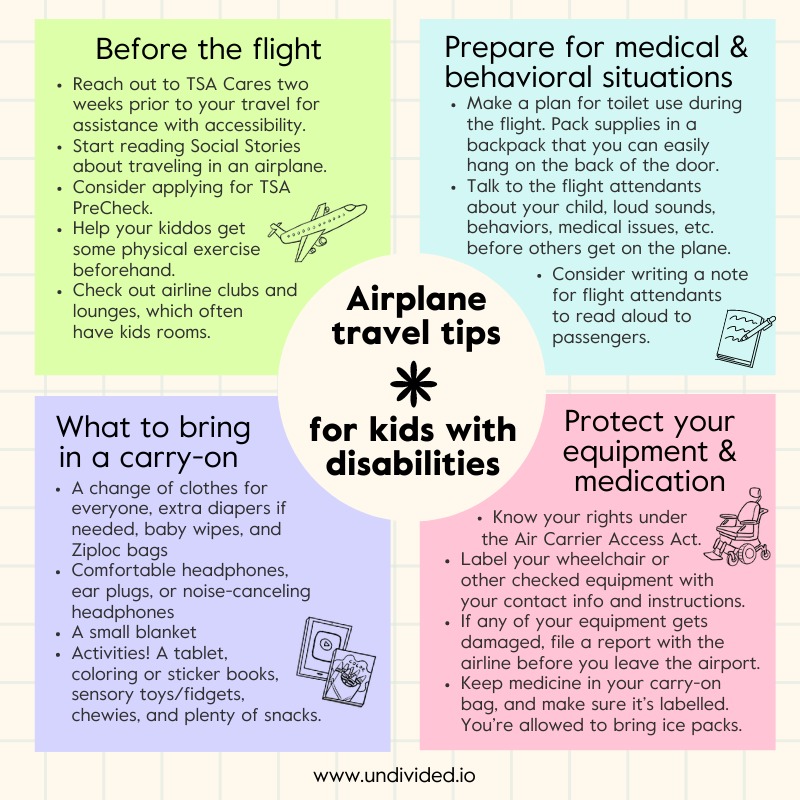
Credit: undivided.io
Managing Expectations And Behavior
Traveling with kids can be a rewarding experience. Properly managing their expectations and behavior is crucial. Prepare in advance and maintain patience for a smoother journey.
Traveling with kids can be a rewarding yet challenging experience. Kids are naturally curious and energetic, and these traits often become amplified during travel. Managing their expectations and behavior is crucial to ensure everyone enjoys the journey. This involves setting clear travel rules, handling stress-related tantrums, and encouraging positive experiences that can make the trip memorable.
Setting Travel Rules
Before the trip, sit down with your kids and discuss the travel rules. Outline what behaviors are acceptable and what aren’t. Make the rules simple and easy to remember. For instance, use phrases like “inside voice on the plane” or “stay close to mom and dad.” Create a fun checklist of activities they can do during the journey. Allow them to tick off each activity as it’s completed. This not only keeps them engaged but also gives them a sense of accomplishment. Consider offering small rewards for following the rules. A special treat or extra screen time can be a great motivator. What rules will you set to make your travel smoother?
Handling Tantrums And Stress
Tantrums can happen anywhere, especially in unfamiliar environments. Stay calm and address the root cause, whether it’s hunger, tiredness, or overstimulation. Acknowledge their feelings by saying things like, “I know it’s tiring to sit for so long.” Pack a “calm-down kit” with favorite toys, coloring books, or comfort items. These can be lifesavers when your child feels overwhelmed. Remember, it’s okay to take breaks. If your child is having a meltdown, find a quiet spot to regroup. How do you usually manage stress in unfamiliar situations?
Encouraging Positive Experiences
Focus on the exciting parts of travel to encourage positive behavior. Share stories about the destination and what they can look forward to. Involve them in planning by letting them pick a special activity or meal. Create opportunities for learning and exploration. Visit museums, parks, or local attractions that are both fun and educational. Capture the moments with photos or a travel journal. Encourage your kids to draw or write about their favorite parts of the trip. What new experiences will your kids cherish from this journey? Traveling with kids doesn’t have to be daunting. With a bit of preparation and patience, it can be an enriching experience for the whole family.
Engaging Kids In Travel Activities
Kids can travel and enjoy engaging activities designed for them. Exploring new places stimulates curiosity and learning. Parents can plan fun, educational trips that cater to children’s interests, making each journey memorable and enjoyable.
Engaging kids in travel activities can transform a family trip into a memorable adventure. By immersing them in diverse experiences, you not only keep them entertained but also spark their curiosity and learning. Imagine your child eagerly sharing stories about the places they’ve visited, making every moment of your trip a bonding experience.
Educational Tours And Museums
Visiting museums and educational tours can be both enlightening and fun for kids. Picture their eyes wide with wonder as they explore dinosaur exhibits or interactive science displays. Encourage them to ask questions and participate in activities designed specifically for young minds. Make a game out of spotting different artifacts or challenge them to find the most interesting fact. You’d be surprised how much they can learn while enjoying themselves. Plus, many museums offer family-friendly workshops where kids can engage in creative projects.
Outdoor Adventures
Outdoor adventures offer children the freedom to explore and discover nature’s wonders. Whether it’s hiking a scenic trail or picnicking in a national park, these activities foster a love for the great outdoors. Let them lead the way on a nature walk, identifying different plants and animals. Or introduce them to simple geocaching for a treasure-hunt-like experience. These adventures help children develop a sense of adventure and appreciation for the natural world.
Local Experiences And Workshops
Immersing kids in local experiences and workshops allows them to connect with the culture of a place. Consider signing up for a cooking class where they can learn to make a traditional dish. Participating in local crafts workshops can also be a hit, where they create something unique to bring home as a keepsake. These hands-on activities foster creativity and offer a deeper understanding of the destination’s culture. When planning your next family trip, how will you engage your kids in enriching travel activities?

Credit: milanastravels.com
Frequently Asked Questions
What Is The Youngest Age You Can Travel?
Infants can travel as young as 2 days old, but airlines often require a minimum of 2 weeks. Always check airline policies and consult your pediatrician before traveling with a newborn. For international travel, ensure the baby has a passport.
Prioritize safety and comfort for young travelers.
What Is The Youngest Age A Child Can Travel?
A child can travel from birth. Airlines allow infants as young as 2 days old to fly. Check airline policies for age restrictions. Always consult with a pediatrician for safe travel advice. Travel regulations may vary by country or airline.
Ensure proper documentation for international trips.
What Is The Minimum Age A Child Can Travel?
Airlines typically allow infants to travel from two weeks old. Check specific airline policies for exact age requirements. Always consult with your pediatrician before flying with a newborn. Ensure all necessary travel documents are in order for international travel.
Can A 12 Year Old Travel By Himself?
Yes, a 12-year-old can travel alone. Airlines usually offer unaccompanied minor services for safety. Parents should check airline policies and prepare necessary documents. It’s important to ensure the child is comfortable and informed about travel procedures. Always verify with the airline for specific age restrictions and guidelines.
Conclusion
Traveling with kids is possible and rewarding. Kids learn from new experiences. They enjoy seeing different places and cultures. Parents can plan trips that are fun and safe. Packing wisely helps manage travel stress. Choosing kid-friendly destinations is key. Always consider your child’s needs and interests.
Traveling builds family bonds and creates memories. It teaches kids valuable life lessons. So, take the leap. Explore the world with your children. They will thank you for it. Happy travels!